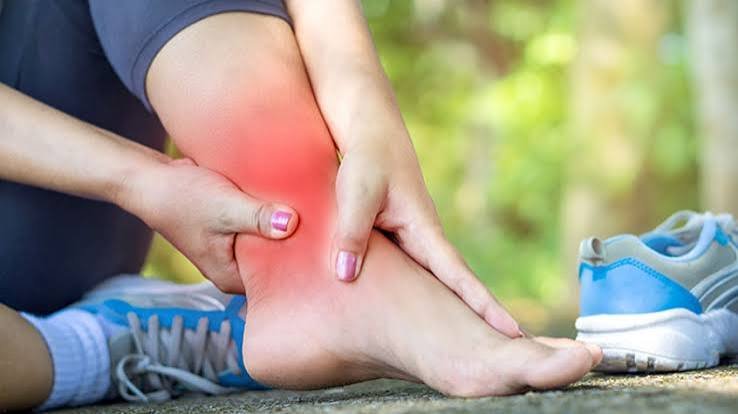
Ankle sprains frequently occur when athletes twist or roll the ankle during physical activity. Therefore, sudden direction changes, uneven surfaces, jumps, and awkward landings can stress ankle ligaments. In addition, severe sprains may cause swelling, bruising, pain, and difficulty walking. However, treatment depends on the severity of ligament damage. As a result, proper assessment can help determine whether you need rehabilitation, support, or additional investigation.
Muscles and tendons can experience strains or tears when athletes suddenly increase intensity or overload a particular area. Therefore, sprinting, jumping, lifting, and repetitive movements can contribute to these injuries. In addition, insufficient recovery may increase stress on already fatigued tissues. However, treatment varies according to the injury’s severity. As a result, your specialist can recommend appropriate rest, rehabilitation, strengthening, and gradual return to activity.
Repeated movements can gradually place stress on muscles, tendons, bones, and joints. Therefore, athletes who train frequently may develop conditions such as tendon irritation, stress injuries, or persistent joint discomfort. In addition, sudden increases in training volume can contribute to overuse problems. However, continuing intense activity despite pain can worsen some conditions. As a result, early evaluation and appropriate training adjustments can support recovery.
Persistent pain after exercise or an accident deserves professional attention. Therefore, consider consulting the Best Sports Injury Doctor In Seoni if symptoms interfere with walking, training, work, sleep, or normal movement. In addition, seek evaluation after significant twisting injuries, falls, collisions, or sudden swelling. However, minor soreness after exercise may improve with appropriate rest. As a result, ongoing or worsening symptoms should prompt an orthopedic assessment.
Accurate diagnosis helps your doctor understand the affected structure and injury severity. Therefore, the consultation may include a medical history review, physical examination, movement assessment, and stability testing. In addition, X-rays can help assess bones, while MRI or ultrasound can provide information about selected soft-tissue problems. However, every patient does not require advanced imaging. As a result, your specialist chooses investigations according to your symptoms and examination findings.
Many sports injuries can improve with appropriate conservative care. Therefore, your specialist may recommend activity modification, physiotherapy, prescribed medication, bracing, or other suitable measures. In addition, rehabilitation can improve flexibility, strength, balance, coordination, and movement control. However, severe structural injuries may require surgical treatment. As a result, your doctor monitors your progress and adjusts the treatment plan according to your recovery.
Surgery may become appropriate when a significant structural injury causes persistent instability, severe functional limitations, or inadequate improvement with conservative treatment. Therefore, your orthopedic specialist evaluates the injury, activity requirements, associated damage, and recovery expectations. In addition, athletes may need stable joints for demanding sports movements. However, surgery does not suit every sports injury. As a result, your doctor should explain both surgical and non-surgical options before recommending a procedure.
Arthroscopy uses a small camera to view selected joints through small surgical openings. Therefore, surgeons can use specialized instruments to treat certain ligament, meniscus, cartilage, and other joint problems. In addition, arthroscopic procedures can allow targeted treatment of suitable internal injuries. However, the technique depends on the joint and specific diagnosis. As a result, your orthopedic specialist determines whether arthroscopy can provide an appropriate solution.
ACL reconstruction can restore stability for selected athletes with significant ACL injuries. Therefore, the surgeon uses a suitable graft to reconstruct the damaged ligament structure. In addition, the treatment plan may address associated meniscus or cartilage problems when necessary. However, successful recovery requires more than the surgical procedure itself. As a result, structured physiotherapy and gradual progression play important roles in preparing athletes for sports.
Rehabilitation helps athletes rebuild physical function after an injury. Therefore, a physiotherapist can design exercises that match the injury, treatment method, and recovery stage. In addition, therapy may focus on strength, flexibility, balance, coordination, joint control, and sport-specific movement. However, rehabilitation should progress gradually. As a result, following a structured program can support a safer return to training and competition.
Returning to sports requires more than simply waiting for pain to disappear. Therefore, athletes should gradually rebuild strength, endurance, balance, agility, coordination, and confidence. In addition, sport-specific exercises can prepare the body for running, jumping, pivoting, throwing, or other demanding movements. However, returning too quickly can increase the risk of reinjury. As a result, follow professional guidance and complete appropriate functional assessments before returning to competition.
A consistent injury-prevention strategy can help athletes manage physical demands more effectively. Therefore, include proper warm-ups, mobility exercises, strength training, suitable technique, and adequate recovery in your routine. In addition, gradually increase training intensity rather than making sudden changes. However, no prevention strategy can eliminate every injury risk. As a result, listen to your body and seek professional advice when persistent pain or unusual symptoms appear.