Dr Amit Saoji | Orthopedic Surgeon In Nagpur | Orthopedic Doctor in Nagpur

Expert Hip Pain Treatment In Nagpur
What Causes Hip Pain? | Hip Pain Treatment In Nagpur
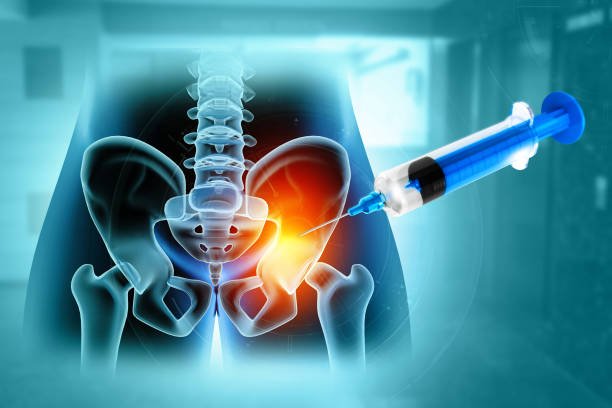
Hip pain can develop from several conditions involving the joint, muscles, tendons, ligaments, or surrounding tissues. Moreover, injuries and age-related changes can gradually affect hip function. Therefore, identifying the exact cause remains essential before selecting a treatment approach.
Common Causes Include:- Hip osteoarthritis
- Sports injuries
- Muscle strains
- Tendon problems
- Ligament injuries
- Hip bursitis
- Hip fractures
- Cartilage damage
- Avascular necrosis
- Hip joint inflammation
- Previous trauma
- Overuse injuries
Common Symptoms of Hip Problems
Hip conditions can produce different symptoms depending on their cause and severity. Moreover, persistent symptoms can interfere with walking, sleeping, exercising, and routine activities.
Common Symptoms Include:- Hip pain while walking
- Pain while climbing stairs
- Morning stiffness
- Reduced hip movement
- Groin discomfort
- Pain extending toward the thigh
- Hip swelling
- Difficulty standing for long periods
- Pain after physical activity
- Difficulty getting up from a chair
- Limping
- Reduced flexibility
Who May Need Hip Pain Treatment?
People of different ages can experience hip pain. Moreover, athletes, older adults, and individuals with previous injuries may face different types of hip problems. Therefore, doctors consider age, activity level, medical history, and symptoms before recommending treatment.
You May Need Evaluation If You Experience:- Persistent hip discomfort
- Pain after an injury
- Difficulty walking
- Repeated hip stiffness
- Reduced range of motion
- Pain during exercise
- Difficulty sleeping comfortably
- Increasing pain over time
- Hip instability
- Difficulty performing daily activities
Advanced Diagnosis for Hip Pain
Accurate diagnosis helps doctors understand the source of hip pain. Moreover, Dr. Amit Saoji evaluates symptoms, hip movement, muscle strength, and medical history before recommending treatment. Therefore, patients receive a treatment plan based on their specific condition.
Diagnostic Evaluation May Include:- Orthopedic consultation
- Physical examination
- Hip movement assessment
- Gait evaluation
- Digital X-rays
- MRI scans
- CT scans when required
- Joint assessment
- Injury evaluation
- Functional movement assessment
Non-Surgical Hip Pain Treatment
Many hip conditions can improve with appropriate non-surgical care. Moreover, doctors select conservative treatment according to the patient’s diagnosis, symptoms, activity level, and overall health. Therefore, suitable patients may benefit from structured treatment before considering surgery.
Non-Surgical Options May Include:- Physiotherapy
- Targeted strengthening exercises
- Flexibility training
- Activity modification
- Pain management guidance
- Muscle conditioning
- Weight-management guidance
- Mobility exercises
- Lifestyle modifications
- Rehabilitation programs
Physiotherapy for Hip Pain
Physiotherapy plays an important role in many hip conditions. Moreover, strengthening the muscles around the hip can improve stability and functional movement. Therefore, a physiotherapist can design exercises according to the patient’s condition and recovery stage.
Rehabilitation May Include:- Hip mobility exercises
- Strength training
- Stretching exercises
- Balance training
- Core strengthening
- Walking exercises
- Posture correction
- Functional movement training
- Home exercise guidance
Hip Pain Treatment for Arthritis
Hip arthritis can cause pain, stiffness, and reduced mobility as the joint gradually changes. Moreover, symptoms may become more noticeable during walking, climbing stairs, or prolonged activity. Therefore, early orthopedic evaluation helps patients understand their condition and explore suitable treatment options.
Arthritis Care May Include:- Exercise therapy
- Physiotherapy
- Activity modification
- Muscle strengthening
- Pain management
- Lifestyle guidance
- Joint-preserving approaches
- Surgical evaluation when necessary
Hip Pain Treatment After Sports Injuries
Sports activities can place significant stress on the hip and surrounding muscles. Moreover, sudden movements, falls, and repetitive activity can cause strains and other injuries. Therefore, athletes should receive proper evaluation before returning to demanding physical activities.
Sports Hip Care May Include:- Injury assessment
- Muscle strain treatment
- Tendon injury management
- Rehabilitation
- Strength training
- Mobility exercises
- Activity modification
- Return-to-sport guidance
Hip Pain Due to Avascular Necrosis
Avascular necrosis can affect the blood supply to the hip’s femoral head and may gradually damage the joint. Moreover, early-stage disease can produce mild or intermittent symptoms. Therefore, early diagnosis remains important for evaluating the condition and discussing appropriate treatment options.
Evaluation May Include:- Clinical examination
- X-ray assessment
- MRI evaluation
- Hip movement testing
- Stage assessment
- Joint-preservation discussion
- Surgical evaluation when required
Hip Replacement for Severe Hip Problems
Some patients develop advanced hip damage that causes persistent pain and significant movement limitations. Moreover, severe arthritis, certain fractures, and advanced joint conditions may require hip replacement. Therefore, Dr. Amit Saoji evaluates each patient carefully before recommending joint replacement.
Hip Replacement Care May Include:- Detailed orthopedic evaluation
- Imaging assessment
- Treatment planning
- Implant selection
- Surgical care
- Postoperative rehabilitation
- Mobility training
- Follow-up assessment
Hip Joint Preservation
Joint preservation aims to protect the natural hip joint whenever appropriate. Moreover, early diagnosis can help doctors identify conditions that may benefit from joint-preserving treatment. Therefore, patients with early-stage joint problems should consider an orthopedic evaluation.
Joint Preservation May Include:- Activity modification
- Physiotherapy
- Muscle strengthening
- Weight-management guidance
- Injury management
- Cartilage-focused care
- Orthobiologic options when appropriate
- Corrective procedures in selected cases
Benefits of Professional Hip Pain Treatment In Nagpur
Professional orthopedic care focuses on identifying the underlying cause of hip pain rather than simply addressing symptoms. Moreover, personalized treatment allows doctors to match care with each patient’s condition and lifestyle.
Potential Benefits Include:- Better hip mobility
- Reduced discomfort
- Improved muscle strength
- Better joint stability
- Improved walking ability
- Greater independence
- Safer return to physical activities
- Personalized rehabilitation
- Better understanding of the condition
- Long-term joint care
Why Choose Dr. Amit Saoji?
Choosing an experienced orthopedic specialist can help patients receive comprehensive evaluation and individualized treatment. Moreover, Dr. Amit Saoji combines orthopedic expertise with modern diagnostic and treatment approaches at Saoji Orthopedic Hospital, Nagpur.
Why Patients Choose Us:- Experienced orthopedic specialist
- Comprehensive hip evaluation
- Modern diagnostic facilities
- Personalized treatment plans
- Advanced orthopedic procedures
- Sports injury expertise
- Joint preservation guidance
- Hip replacement expertise
- Rehabilitation support
- Patient-focused care
- Follow-up guidance
Tips to Maintain Healthy Hips
Daily habits can support hip mobility and overall musculoskeletal health. Moreover, regular physical activity and appropriate strengthening can help maintain functional movement.
Helpful Hip-Care Habits:- Stay physically active
- Strengthen hip and core muscles
- Maintain flexibility
- Use proper exercise techniques
- Avoid sudden increases in training
- Maintain a healthy lifestyle
- Wear comfortable and supportive footwear
- Follow rehabilitation instructions after injuries
- Allow adequate recovery after exercise
- Seek medical advice for persistent pain