
Dr Amit Saoji | Orthopedic Surgeon In Nagpur | Orthopedic Doctor in Nagpur

Knee Joint Preservation Surgery In Nagpur

Knee Joint Preservation Surgery In Nagpur,Knee pain can affect walking, exercise, work, and everyday activities. Moreover, some knee conditions may progress when patients ignore symptoms for too long. Therefore, focuses on protecting the patient’s natural knee joint whenever appropriate. Orthopedic specialists assess the cause of pain, cartilage condition, alignment, ligament stability, and overall knee function before recommending treatment. In addition, doctors consider the patient’s age, activity level, and long-term goals. As a result, patients can receive a treatment plan that focuses on preserving healthy knee structures and supporting better movement.
Knee Joint Preservation Surgery In Nagpur

What Is Knee Joint Preservation?

Knee joint preservation involves treatments that aim to protect the patient’s natural knee joint and delay or avoid joint replacement when suitable. Moreover, doctors may use surgical and non-surgical approaches depending on the condition. Therefore, treatment does not follow one fixed method for every patient. Joint preservation can address cartilage damage, ligament problems, meniscus injuries, alignment issues, and selected early degenerative conditions. In addition, doctors may combine surgery with physiotherapy, activity modification, and other supportive measures. As a result, a personalized approach can help protect knee function and support an active lifestyle.

Who May Benefit From Knee Joint Preservation?

Knee joint preservation may suit selected patients who have localized cartilage damage, sports-related injuries, ligament problems, meniscus tears, or early joint degeneration. Moreover, younger and physically active individuals may particularly value treatments that protect their natural joint. Therefore, an orthopedic assessment remains essential before choosing a procedure. The specialist evaluates symptoms, physical findings, imaging results, joint alignment, and activity requirements. In addition, the doctor considers whether the knee can benefit from a preservation-focused approach. As a result, patients receive treatment recommendations based on their specific knee condition rather than a standard procedure.

Common Conditions Treated With Joint Preservation

Several knee conditions can affect joint function and cartilage health. Moreover, early diagnosis can help doctors explore preservation options before extensive joint damage develops. Therefore, patients should consult an orthopedic specialist when knee symptoms persist or interfere with daily activities.

Common conditions include:

  • Cartilage injuries
  • Meniscus tears
  • ACL injuries
  • Ligament instability
  • Early knee arthritis
  • Joint alignment problems
  • Osteochondral injuries
  • Sports-related knee damage
  • Localized cartilage defects

In addition, treatment depends on the severity and location of the problem. As a result, doctors select an approach that matches the patient’s individual needs.

Cartilage Preservation
Healthy cartilage allows smooth movement between the bones of the knee. Moreover, cartilage damage can cause pain, swelling, stiffness, and difficulty with physical activity. Therefore, cartilage preservation techniques can help suitable patients manage specific cartilage defects while protecting the remaining healthy joint structures. The orthopedic specialist evaluates the size, location, and severity of cartilage damage before recommending treatment. In addition, the doctor considers patient age, activity level, and associated knee problems. As a result, cartilage-focused treatment can form part of a broader knee preservation plan.
Meniscus Preservation
The meniscus helps distribute load and supports stability within the knee. Moreover, removing too much damaged meniscus tissue can affect the way the joint handles stress. Therefore, surgeons may consider meniscus-preserving techniques when the injury pattern allows repair. The treatment choice depends on tear location, tear pattern, tissue quality, symptoms, and associated injuries. In addition, rehabilitation plays an important role after meniscus treatment. As a result, appropriate care can support knee function while protecting valuable joint tissue.

ACL Preservation and Reconstruction

The ACL helps stabilize the knee during activities that involve turning, jumping, and sudden changes in direction. Moreover, an ACL injury can create instability and increase stress on other knee structures. Therefore, timely evaluation can help determine whether rehabilitation, ACL repair, reconstruction, or another approach suits the patient. The orthopedic specialist evaluates ligament stability, activity requirements, associated meniscus or cartilage injuries, and imaging findings. In addition, treatment planning considers the patient’s future activity goals. As a result, selected patients can pursue a treatment strategy that supports knee stability while protecting joint health.

Knee Alignment Correction

Abnormal alignment can place uneven stress on different parts of the knee. Moreover, excessive load on a particular compartment can contribute to pain and cartilage wear. Therefore, selected patients may benefit from alignment-focused procedures as part of a joint preservation strategy. The orthopedic surgeon evaluates leg alignment, joint condition, symptoms, and imaging results before recommending treatment. In addition, the surgeon considers the patient’s activity level and long-term goals. As a result, alignment correction can help redistribute load across suitable areas of the knee.

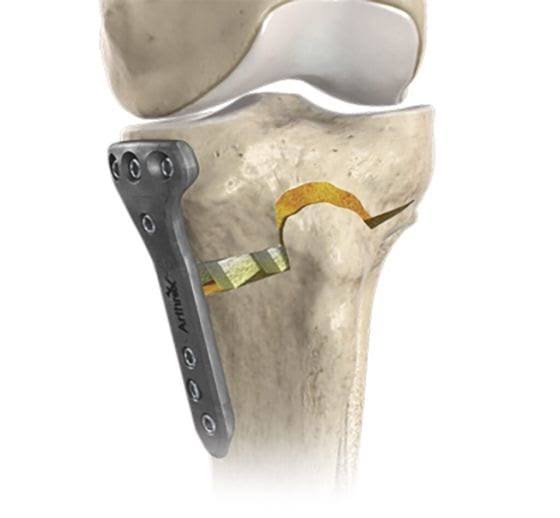
Osteotomy for Knee Joint Preservation

An osteotomy changes bone alignment to shift load away from a damaged area of the knee. Moreover, doctors may consider this procedure for selected patients with specific alignment and compartment-related problems. Therefore, careful patient selection plays an important role in successful treatment planning. The surgeon evaluates the degree of alignment, cartilage condition, symptoms, and overall knee structure. In addition, the doctor considers age and activity level before recommending the procedure. As a result, osteotomy can provide a joint-preserving option for appropriate patients.

Signs You May Need a Knee Evaluation

Persistent knee symptoms can indicate an underlying joint problem. Moreover, early evaluation may help identify conditions that could benefit from appropriate treatment. Therefore, patients should not ignore recurring pain or swelling, particularly when symptoms affect daily activities.

Watch for symptoms such as:

  • Persistent knee pain
  • Repeated swelling
  • Knee stiffness
  • Clicking or catching
  • Knee instability
  • Difficulty climbing stairs
  • Pain during sports
  • Reduced range of motion
  • Difficulty walking for long periods

In addition, sudden symptoms after a sports injury require timely assessment. As a result, early diagnosis can help doctors determine the most suitable treatment pathway.

Frequently Asked Questions

Knee joint preservation surgery includes procedures that aim to protect the patient’s natural knee and address specific structural problems such as cartilage, meniscus, ligament, or alignment issues.
Selected patients with localized cartilage damage, ligament injuries, meniscus problems, alignment issues, or early joint degeneration may qualify. Therefore, an orthopedic evaluation remains essential.
Joint preservation may delay the need for replacement in some suitable patients, but it cannot guarantee that a patient will never require knee replacement.
Yes. Moreover, younger or active patients may value treatments that protect their natural knee. However, the doctor must assess the specific condition before recommending treatment.
Doctors may use X-rays, MRI scans, physical examinations, and other investigations depending on the suspected condition.

Book Your Consultation with Dr. Amit Saoji Today

Persistent knee pain does not always mean that you need a knee replacement. Moreover, selected conditions may respond to joint-preserving treatments that address specific structural problems. Therefore, an orthopedic consultation can help determine whether Knee Joint Preservation Surgery In Nagpur suits your condition.

At Saoji Orthopedic Hospital, patients can discuss their symptoms, imaging reports, activity goals, and treatment concerns with an orthopedic specialist. In addition, bring previous X-rays, MRI reports, prescriptions, and relevant medical records when available. As a result, the specialist can evaluate your condition and explain suitable treatment options. Book An Appointment

Call Now Button