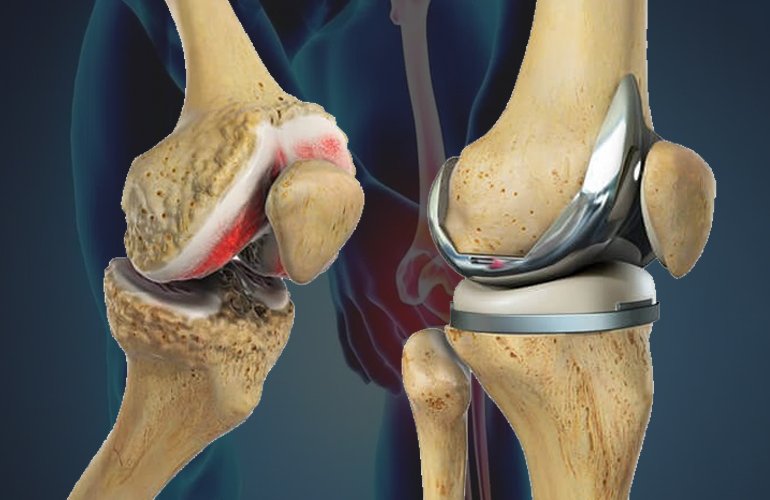
A comprehensive evaluation helps your orthopedic surgeon understand the condition of your knee before recommending replacement. Therefore, your consultation may include a physical examination, medical history review, movement assessment, and X-rays or other imaging when necessary. In addition, your doctor may discuss your pain level, walking ability, previous treatments, medications, and lifestyle. However, every patient requires a different evaluation. As a result, your specialist can use these findings to develop an individualized treatment strategy.
Accurate diagnosis helps your surgeon understand the severity and location of knee damage. Therefore, your doctor may recommend X-rays to assess joint space, alignment, bone changes, and other structural concerns. In addition, other imaging tests may provide further information when necessary. However, your doctor selects diagnostic tests according to your symptoms and examination findings. As a result, appropriate testing can support better surgical planning and treatment decisions.
Good preparation can help you approach surgery with greater confidence and clear expectations. Therefore, your medical team may provide instructions regarding medications, nutrition, physical activity, and preoperative assessments. In addition, you may need to arrange transportation, home support, and assistance during the early recovery period. However, preparation requirements can vary according to your health and surgical plan. As a result, following your healthcare team’s instructions can help you prepare safely for the procedure.
During knee replacement surgery, the orthopedic surgeon removes damaged joint surfaces and places suitable artificial components according to the surgical plan. Therefore, the procedure aims to create a functional joint surface that can support movement and weight-bearing. In addition, the surgeon checks alignment and joint movement during the operation. However, the exact technique and implant choice depend on your anatomy, diagnosis, and surgical requirements. As a result, your orthopedic specialist will explain the procedure before surgery.
Recovery after Knee Replacement Surgery In Chhindwara varies according to your procedure, overall health, physical condition, and rehabilitation progress. Therefore, your medical team may gradually introduce movement, walking exercises, strengthening activities, and physiotherapy. In addition, your recovery plan may include guidance for wound care, medication, mobility, and daily activities. However, every patient progresses at a different pace. As a result, following your doctor’s instructions and attending rehabilitation sessions can support steady improvement.
Physiotherapy plays an important role in restoring movement and strength after knee replacement surgery. Therefore, a physiotherapist can guide you through exercises that match your recovery stage. In addition, rehabilitation can focus on knee flexibility, muscle strength, balance, walking ability, and functional movements. However, you should perform exercises according to your medical team’s recommendations. As a result, consistent physiotherapy can help you gradually return to everyday activities.
Regaining independence remains an important goal after knee replacement. Therefore, rehabilitation may gradually help you walk, stand, climb stairs, and perform household activities with greater confidence. In addition, your therapist can teach you safe movement techniques during different recovery stages. However, you should avoid demanding activities until your orthopedic team gives you appropriate guidance. As a result, gradual progress can protect your recovering knee while improving functional ability.
Active individuals may seek knee replacement when severe joint damage prevents them from maintaining their preferred lifestyle. Therefore, treatment planning should consider your activity requirements, fitness level, and long-term goals. In addition, rehabilitation can help rebuild the strength and mobility required for appropriate activities. However, high-impact activities may not suit every patient after replacement. As a result, discuss your exercise and sports goals with your orthopedic specialist before surgery.
Every major surgical procedure involves potential risks, and knee replacement also requires careful planning. Therefore, your orthopedic specialist should explain possible complications, expected benefits, implant considerations, and recovery requirements before surgery. In addition, you should provide complete information about your medications, allergies, previous surgeries, and existing health concerns. However, individual risks vary according to personal health and surgical factors. As a result, an informed consultation can help you understand the procedure and make a confident treatment decision.
Selecting an experienced orthopedic specialist can help you understand your knee condition and treatment choices. Therefore, your consultation should include a discussion about diagnosis, surgical options, expected outcomes, rehabilitation, and alternatives. In addition, you should feel comfortable asking questions about the procedure and recovery process. However, the best treatment depends on your individual condition rather than a single approach for everyone. As a result, personalized orthopedic guidance remains important before choosing knee replacement surgery.
Severe knee arthritis can affect more than physical movement because persistent pain may interfere with work, sleep, exercise, and social activities. Therefore, appropriate treatment can focus on improving comfort and helping you regain functional independence. In addition, successful rehabilitation can support a gradual return to meaningful daily activities. However, knee replacement cannot guarantee identical results for every patient. As a result, realistic expectations and active participation in recovery remain important parts of treatment.
Severe knee pain can limit mobility, independence, work, exercise, and everyday comfort. Therefore, an orthopedic consultation can help you understand your diagnosis and available treatment options. In addition, personalized surgery planning and rehabilitation can support your recovery goals. However, every patient requires an individual medical assessment before undergoing knee replacement. As a result, contact an orthopedic specialist in Chhindwara to discuss your symptoms and determine whether Knee Replacement Surgery In Chhindwara may suit your condition.