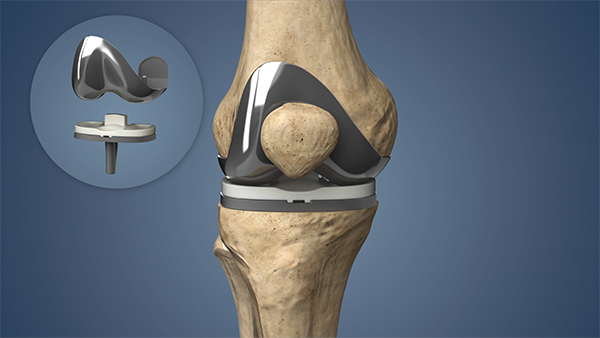
Total knee replacement involves replacing damaged surfaces of the knee joint with artificial components. Therefore, the procedure aims to reduce pain and improve knee function in patients with advanced joint damage. In addition, surgeons use specialized implants designed to support knee movement and stability. However, recovery requires commitment to rehabilitation and gradual activity progression. As a result, following your surgeon’s instructions can support your recovery and functional improvement.
Partial knee replacement may suit selected patients whose arthritis mainly affects one compartment of the knee. Therefore, the surgeon preserves healthier areas of the joint while replacing the damaged section. In addition, careful patient selection plays an important role in achieving an appropriate outcome. However, widespread arthritis or certain ligament problems may make partial replacement unsuitable. As a result, your orthopedic specialist evaluates the complete knee before recommending this option.
Knee replacement can provide meaningful improvement for suitable patients with advanced joint damage. Therefore, successful treatment may help reduce severe knee pain and improve everyday mobility. In addition, patients may find activities such as walking, standing, and climbing stairs easier after appropriate recovery. However, results vary according to health, rehabilitation, joint condition, and individual factors. As a result, your surgeon should explain realistic expectations before surgery.
Proper preparation can help you approach surgery with greater confidence. Therefore, your medical team may recommend health evaluations, blood tests, medication instructions, and pre-surgery exercises. In addition, strengthening the muscles around the knee can support selected patients before surgery. However, preparation requirements differ according to individual health and surgical plans. As a result, follow your healthcare team’s instructions carefully before the operation.
During knee replacement surgery, the orthopedic surgeon removes damaged joint surfaces and prepares the knee to receive artificial components. Therefore, the surgeon positions the selected implants according to the patient’s knee structure and surgical plan. In addition, the procedure aims to restore appropriate alignment and functional movement. However, the exact technique can vary between patients. As a result, your surgeon will explain the planned procedure and implant approach during your consultation.
Recovery requires gradual progress and active participation in rehabilitation. Therefore, your medical team may encourage appropriate movement soon after surgery according to your condition. In addition, physiotherapy can help improve knee flexibility, strength, balance, and walking ability. However, recovery timelines vary between patients. As a result, following your rehabilitation program and attending follow-up appointments can help you progress safely.
Physiotherapy forms an important part of knee replacement recovery. Therefore, a physiotherapist can guide you through exercises that gradually improve knee movement and muscle strength. In addition, therapy can help you work on walking patterns, balance, flexibility, and functional activities. However, exercise intensity should match your recovery stage. As a result, consistent rehabilitation can help you regain confidence and return to everyday activities.
Patients often want to resume normal activities after knee replacement. Therefore, your medical team can gradually introduce walking, household tasks, and other appropriate activities as recovery progresses. In addition, strengthening and balance exercises can improve functional confidence. However, high-impact activities may require additional discussion with your orthopedic specialist. As a result, follow professional guidance when increasing activity after surgery.
Active adults may struggle with severe knee pain while working, exercising, traveling, or participating in recreational activities. Therefore, treatment should consider both current symptoms and future activity goals. In addition, rehabilitation can help restore strength, movement, and confidence after surgery. However, high-impact activities may require specific precautions. As a result, discuss your lifestyle and expectations openly with your orthopedic surgeon.
Every surgical procedure involves potential risks. Therefore, your orthopedic team should discuss possible complications such as infection, blood clots, stiffness, implant-related problems, nerve or blood vessel injury, and persistent symptoms when appropriate. In addition, individual risks can vary according to health, age, medications, and other medical factors. However, no procedure guarantees identical results for every patient. As a result, an informed discussion can help you understand the benefits and limitations of knee replacement.
The cost of Knee Replacement Surgery In Seoni can vary depending on several factors. Therefore, expenses may include surgeon fees, hospital charges, implant selection, diagnostic tests, medicines, and rehabilitation. In addition, the total cost can change according to the complexity of the procedure and individual medical requirements. However, different hospitals and treatment plans can have different pricing. As a result, ask your healthcare provider for a detailed estimate based on your specific treatment plan.
Selecting an orthopedic surgeon requires careful consideration of your diagnosis and treatment needs. Therefore, look for a specialist with experience in knee replacement, joint preservation, rehabilitation planning, and complex knee conditions. In addition, choose a doctor who explains the procedure, implant options, expected recovery, risks, and alternatives clearly. However, online information cannot replace an individual medical consultation. As a result, discuss your condition directly with a qualified orthopedic specialist before making your decision.
Receiving orthopedic care closer to home can make consultations, follow-up appointments, and rehabilitation more convenient. Therefore, Knee Replacement Surgery In Seoni can provide a practical option for patients living in Seoni and nearby areas. In addition, regular follow-ups can help your medical team monitor knee movement, strength, wound healing, and recovery. However, convenience should not replace appropriate surgical expertise. As a result, consider clinical experience, hospital facilities, rehabilitation support, communication, and personalized treatment when choosing care.