
Dr Amit Saoji | Orthopedic Surgeon In Nagpur | Orthopedic Doctor in Nagpur

Knee Replacement Surgery In Gondia
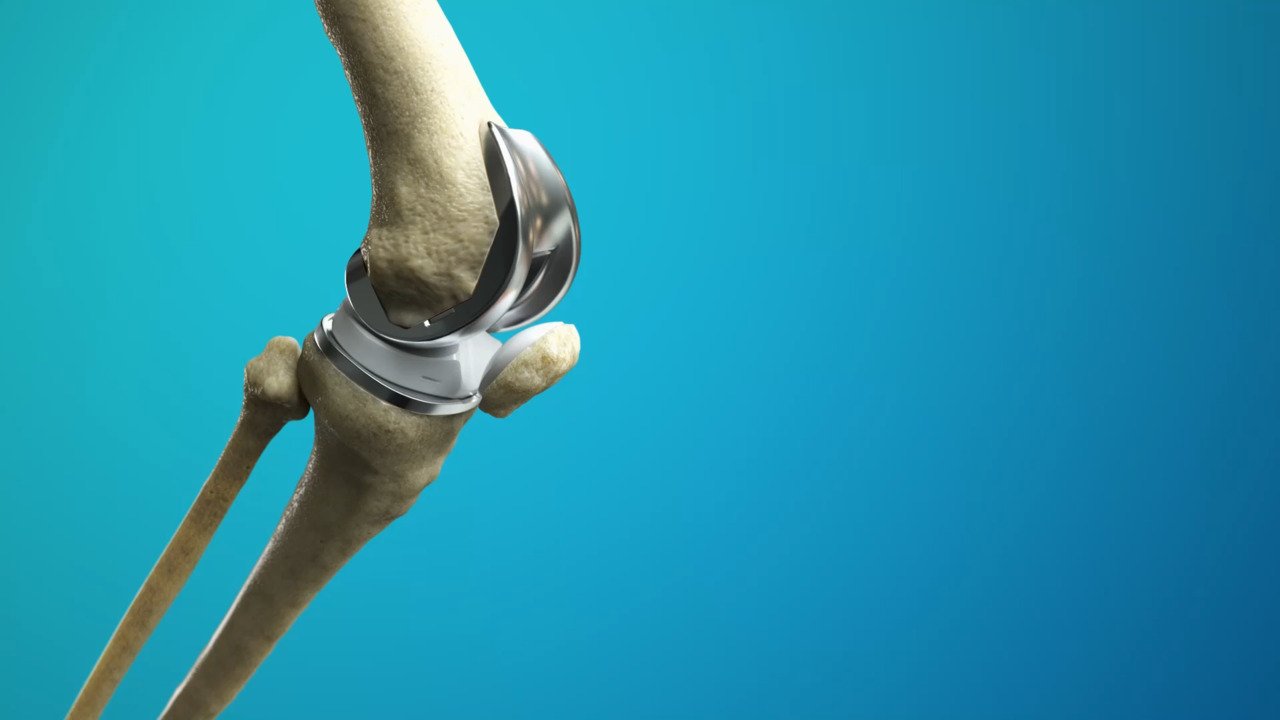
Persistent knee pain can make walking, climbing stairs, exercising, and even resting uncomfortable. Moreover, severe arthritis and advanced joint damage can gradually limit your independence. Therefore, an orthopedic evaluation can help identify the cause of your pain and determine suitable treatment options. In addition, Knee Replacement Surgery In Gondia can help selected patients with severe knee joint damage regain mobility and improve their daily function. As a result, patients can work toward a more active lifestyle with appropriate treatment and rehabilitation.
Knee Replacement Surgery In Gondia

What Is Knee Replacement Surgery? | Knee Replacement Surgery In Gondia

Knee replacement surgery involves replacing damaged parts of the knee joint with artificial components. Moreover, the procedure aims to reduce pain and improve knee movement when severe joint damage affects daily activities. Therefore, doctors usually consider knee replacement after evaluating symptoms, physical examination findings, imaging results, and previous treatments. In addition, your surgeon can explain whether total or partial knee replacement suits your condition. As a result, you can choose treatment based on your individual knee health and functional goals.

Who May Need Knee Replacement Surgery?

Not everyone with knee pain needs knee replacement. However, patients with advanced joint damage may experience persistent symptoms despite appropriate non-surgical treatment. Moreover, severe arthritis can affect walking, standing, sleep, and routine activities. Therefore, an orthopedic specialist may consider knee replacement when pain and disability significantly affect your quality of life.

Common signs may include:

  • Persistent knee pain
  • Severe joint stiffness
  • Difficulty walking
  • Pain while climbing stairs
  • Difficulty standing for long periods
  • Reduced knee movement
  • Swelling around the knee
  • Pain during daily activities
  • Reduced ability to exercise
  • Limited response to conservative treatment

In addition, your doctor will assess your overall health before recommending surgery.

Common Causes Of Severe Knee Joint Damage

Several conditions can gradually damage the knee joint. Moreover, osteoarthritis remains a common cause of long-term knee pain and functional limitation. Therefore, understanding the underlying condition helps your orthopedic specialist choose the appropriate treatment.

Possible causes include:

  • Osteoarthritis
  • Rheumatoid arthritis
  • Previous knee injuries
  • Cartilage damage
  • Severe joint degeneration
  • Certain post-traumatic conditions
  • Advanced inflammatory joint disease

In addition, your doctor may recommend non-surgical options when they can provide meaningful relief.

Why Is Knee Replacement Surgery Recommended?
Doctors may recommend knee replacement when severe joint damage causes persistent pain and significantly limits daily activities. Moreover, advanced arthritis can reduce the smooth movement of the knee and affect mobility. Therefore, surgery may become an option when appropriate conservative treatments no longer provide adequate relief. In addition, your surgeon will consider your symptoms, imaging findings, activity level, age, and general health. As a result, the treatment decision can focus on your individual needs rather than a standard approach.
Total Knee Replacement In Gondia
Total knee replacement involves replacing the damaged surfaces of the knee joint with artificial components. Moreover, surgeons may recommend this approach when multiple areas of the knee show significant damage. Therefore, your orthopedic specialist will evaluate the entire joint before recommending total knee replacement. In addition, rehabilitation plays an important role after surgery. As a result, patients can gradually work toward improving knee movement, strength, walking ability, and daily function.

Partial Knee Replacement | Knee Replacement Surgery In Gondia

Partial knee replacement can suit selected patients who have damage limited to one compartment of the knee. Moreover, the procedure preserves healthy areas of the joint when appropriate. Therefore, not every patient qualifies for partial replacement. In addition, your orthopedic surgeon will assess your joint damage, ligament condition, alignment, symptoms, and overall knee health. As a result, the specialist can determine whether partial or total knee replacement better matches your condition.

Symptoms That May Indicate Advanced Knee Problems

Knee pain can develop for many reasons, so every patient needs individual evaluation. Moreover, persistent symptoms can indicate progressive joint damage when they interfere with everyday activities. Therefore, consider an orthopedic consultation if you experience:

  • Constant or recurring knee pain
  • Severe stiffness
  • Difficulty walking
  • Pain during stair climbing
  • Difficulty getting up from a chair
  • Knee swelling
  • Reduced range of motion
  • Difficulty sleeping because of knee pain
  • Reduced ability to exercise
  • Increasing dependence on pain medication

In addition, timely assessment can help identify suitable treatment before symptoms significantly restrict your lifestyle.

Diagnosis Before Knee Replacement

A thorough evaluation helps your surgeon understand the condition of your knee. Moreover, the consultation usually includes your medical history, symptoms, physical examination, walking assessment, and knee movement evaluation. Therefore, your doctor may recommend X-rays or other imaging when clinically appropriate. In addition, the specialist may review previous treatments and your overall health before planning surgery. As a result, you can receive a treatment recommendation based on your specific knee condition.Shoulder conditions can cause pain during lifting, reaching, dressing, or sleeping. Moreover, rotator cuff problems, frozen shoulder, arthritis, instability, and sports injuries can affect shoulder movement. Therefore, an orthopedic doctor can evaluate strength, flexibility, stability, and range of motion. In addition, treatment may include physiotherapy, medication, injections, activity modification, or arthroscopic treatment when appropriate. As a result, proper evaluation can help restore functional shoulder movement and comfort.

Benefits Of Knee Replacement Surgery

Knee replacement can provide several potential benefits for appropriately selected patients. Moreover, reducing severe joint pain can help patients perform everyday activities more comfortably. Therefore, successful treatment and rehabilitation may support improved mobility and functional independence.

Potential benefits may include:

  • Reduced knee pain
  • Improved walking ability
  • Better knee function
  • Improved ability to perform daily activities
  • Greater mobility
  • Support for returning to suitable low-impact activities
  • Improved quality of life

However, individual results vary. Therefore, discuss expected outcomes, risks, and limitations with your orthopedic surgeon.

Is Knee Replacement Right For You?

Knee replacement does not suit every person with knee pain. Moreover, many patients can manage symptoms through exercise, physiotherapy, medication, weight management, activity modification, or other treatments. Therefore, your doctor should evaluate your condition before recommending surgery. In addition, the decision should consider your pain level, joint damage, mobility, overall health, and daily requirements. As a result, personalized assessment can help you choose an appropriate treatment pathway.

Preparing For Knee Replacement Surgery

Good preparation can help you understand your procedure and recovery journey. Moreover, your healthcare team may review your medical history, medications, allergies, previous surgeries, and diagnostic reports. Therefore, provide complete and accurate health information before surgery. In addition, follow the preoperative instructions provided by your medical team. As a result, you can approach surgery with better preparation and a clearer understanding of your rehabilitation plan.

Recovery After Knee Replacement Surgery

Recovery after knee replacement varies from person to person. Moreover, your progress can depend on your health, surgical procedure, physical condition, and commitment to rehabilitation. Therefore, follow your surgeon and physiotherapist’s instructions throughout recovery. In addition, gradually increasing movement and strengthening exercises can support functional improvement. As a result, patients can work toward better walking ability and greater independence.

Physiotherapy After Knee Replacement

Physiotherapy plays a key role in many knee replacement recovery plans. Moreover, guided exercises can help improve knee movement, muscle strength, balance, and walking ability. Therefore, follow your physiotherapist’s exercise program consistently. In addition, regular home exercises can complement supervised sessions when your healthcare team recommends them. As a result, active participation in rehabilitation can support a gradual return to daily activities.

Knee Replacement For Active Adults

Knee pain can restrict work, exercise, travel, and recreational activities. Moreover, severe joint damage can make even simple movements challenging. Therefore, appropriate treatment can help selected patients regain functional mobility. In addition, rehabilitation can gradually improve strength and movement after surgery. As a result, patients can work toward returning to suitable activities based on their recovery and medical guidance.

Knee Replacement For Older Adults

Age alone does not determine whether someone can undergo knee replacement. Moreover, doctors consider overall health, mobility, joint damage, medical conditions, and functional needs. Therefore, older adults with severe knee pain should receive a detailed orthopedic evaluation. In addition, appropriate rehabilitation can help improve strength and independence after surgery. As a result, selected patients can work toward better mobility and improved daily function.

Maintaining Your Knee Health After Surgery

Long-term knee care can support your overall mobility after recovery. Moreover, maintaining healthy activity habits can help you stay active within your doctor’s recommendations. Therefore, follow your orthopedic team’s guidance about exercise and daily activities. In addition, low-impact activities may provide suitable ways to maintain fitness for many patients. As a result, a balanced approach can support mobility while respecting your knee’s recovery and long-term needs.

Why Choose Professional Knee Replacement Care In Gondia?

Choosing the right orthopedic care can make your treatment journey more comfortable and organized. Moreover, an experienced specialist can assess your knee and explain both surgical and non-surgical options. Therefore, consider orthopedic expertise, diagnostic facilities, surgical support, rehabilitation services, and follow-up care when selecting treatment. In addition, clear communication can help you understand the procedure, recovery expectations, and potential risks. As a result, you can make a more informed decision about your knee health.

When Should You Consult A Knee Specialist?

Do not ignore knee pain that continues to affect your daily routine. Moreover, persistent pain, stiffness, swelling, or limited movement can indicate a condition that needs professional assessment. Therefore, schedule an orthopedic consultation when symptoms continue or worsen. In addition, seek evaluation when knee pain prevents walking, climbing stairs, sleeping comfortably, or participating in normal activities. As a result, timely assessment can help identify appropriate treatment options.

Frequently Asked Questions

Knee replacement surgery replaces damaged areas of the knee joint with artificial components.
Doctors may recommend surgery when severe knee pain and joint damage significantly affect daily activities and appropriate non-surgical treatments no longer provide sufficient relief.
No. Therefore, an orthopedic specialist should evaluate your symptoms, joint damage, overall health, mobility, and treatment history before recommending surgery.
Total knee replacement replaces the damaged surfaces of the knee joint. Moreover, surgeons may recommend it when multiple parts of the knee show significant damage.
Partial knee replacement replaces the damaged section of the knee while preserving suitable healthy areas. However, only selected patients qualify for this procedure.
Recovery varies according to your health, procedure, rehabilitation progress, and individual healing. Therefore, your surgeon and physiotherapist should provide a personalized recovery plan.
Yes, many patients follow physiotherapy after knee replacement. Moreover, rehabilitation can help improve knee movement, strength, balance, and walking ability.

Book An Appointment For Knee Replacement Surgery In Gondia

Severe knee pain should not permanently control your daily routine. Moreover, an orthopedic consultation can help you understand the cause of your symptoms and explore suitable treatment options. Therefore, contact a knee specialist if persistent pain, stiffness, or reduced mobility affects your quality of life. In addition, carry previous X-rays, MRI reports, prescriptions, and medical records when available. As a result, your specialist can review your history and create a personalized treatment plan.Book an Appointment
Call Now Button