Dr Amit Saoji | Orthopedic Surgeon In Nagpur | Orthopedic Doctor in Nagpur

Knee Replacement Surgery In Wardha
Persistent knee pain can make walking, climbing stairs, exercising, and even resting uncomfortable. Moreover, knee problems can gradually affect your mobility and confidence when they continue for a long time. Therefore, a proper orthopedic evaluation can help identify the cause and guide the right treatment. In addition, Knee Replacement Surgery In Wardha can offer a suitable option for people with severe knee joint damage who no longer receive enough relief from non-surgical care. As a result, patients can explore a personalized treatment plan based on their condition, activity level, age, and overall health.
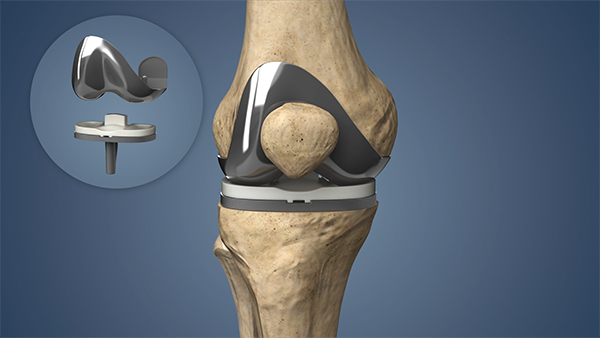
What Is Knee Replacement Surgery? | Knee Replacement Surgery In Wardha
Knee replacement surgery replaces damaged portions of the knee joint with artificial components designed to support smoother movement. Moreover, the procedure can help patients with advanced joint damage that causes significant pain and functional limitations. Therefore, an orthopedic surgeon first evaluates the knee and considers symptoms, physical examination findings, imaging, and previous treatments. In addition, the surgeon discusses suitable treatment options before recommending surgery. As a result, patients can understand their condition and make an informed decision about their knee care.
When Do You Need Knee Replacement Surgery?
Not every person with knee pain needs replacement surgery. Moreover, doctors often consider non-surgical treatments before recommending an operation. Therefore, surgery may become an option when severe joint damage causes persistent pain and substantially limits daily activities despite appropriate conservative treatment. In addition, your orthopedic specialist considers your symptoms, mobility, examination findings, imaging results, and overall health. As a result, the decision focuses on your individual needs rather than pain alone.
Common Signs That May Need Specialist Evaluation
- Persistent knee pain
- Difficulty walking
- Pain while climbing stairs
- Knee stiffness
- Reduced knee movement
- Difficulty standing for long periods
- Pain during daily activities
- Swelling around the knee
- Knee deformity
- Reduced ability to exercise
However, these symptoms can occur with several knee conditions. Therefore, only a qualified orthopedic evaluation can determine whether knee replacement represents an appropriate option.
Conditions That Can Lead to Knee Replacement
Several conditions can cause advanced knee joint damage. Moreover, osteoarthritis remains a common reason for knee replacement. Therefore, doctors may also evaluate patients with other forms of severe joint damage, depending on their individual circumstances. In addition, previous injuries or certain inflammatory joint conditions can contribute to progressive knee problems. As a result, an orthopedic assessment helps identify the underlying cause before treatment begins.
Common Conditions Include:
- Advanced knee osteoarthritis
- Severe cartilage damage
- Certain inflammatory joint conditions
- Significant post-traumatic joint damage
- Severe knee deformity
- Advanced degenerative joint disease
Benefits of Knee Replacement Surgery
Knee replacement can provide meaningful functional benefits for appropriately selected patients. Moreover, successful treatment can reduce pain and improve the ability to perform everyday movements. Therefore, many patients aim to walk more comfortably and return to activities that knee pain previously limited. In addition, rehabilitation helps patients rebuild strength, movement, balance, and confidence. As a result, a complete treatment plan includes both the surgical procedure and structured recovery.
Potential Benefits Include:
- Reduced knee pain
- Improved mobility
- Better ability to perform daily activities
- Improved knee function
- Greater independence
- Better quality of life
- Improved confidence during movement
However, results vary between individuals. Therefore, discuss expected outcomes and limitations with your orthopedic surgeon before surgery.
Knee Replacement Evaluation In Wardha
A detailed evaluation helps your orthopedic specialist understand the condition of your knee. Moreover, the consultation usually includes your medical history, symptoms, physical examination, and assessment of knee movement. Therefore, your doctor may recommend X-rays or other imaging when clinically necessary. In addition, the specialist may review previous treatments and your activity requirements. As a result, the doctor can determine whether continued conservative care or knee replacement makes more sense for your condition.
Preparing for Knee Replacement Surgery
Good preparation can help you approach surgery with greater confidence. Moreover, your healthcare team may review your general health, medications, previous medical conditions, and daily activity level. Therefore, provide accurate information during your pre-operative assessment. In addition, follow your medical team’s instructions about medications, nutrition, exercise, and other preparation requirements. As a result, careful preparation can support a smoother surgical and recovery process.
Preparation May Include:
- Medical evaluation
- Medication review
- Appropriate diagnostic tests
- Pre-surgery instructions
- Planning your home recovery
- Arranging support after surgery
- Understanding rehabilitation
- Discussing activity goals
What Happens During Knee Replacement Surgery?
During knee replacement surgery, the orthopedic surgeon removes damaged joint surfaces and places suitable artificial components. Moreover, the surgeon carefully balances the knee to support appropriate movement and stability. Therefore, the exact surgical approach depends on your anatomy, joint condition, overall health, and the surgeon’s clinical plan. In addition, the surgical team monitors you throughout the procedure and provides appropriate perioperative care. As a result, the operation aims to create a functional knee that can support improved movement after rehabilitation.
Recovery After Knee Replacement Surgery
Recovery continues after the surgical procedure. Moreover, patients usually need a structured rehabilitation plan to regain strength, movement, balance, and confidence. Therefore, following your surgeon’s and physiotherapist’s instructions remains important throughout recovery. In addition, your rehabilitation program can progress gradually as your strength and mobility improve. As a result, consistent rehabilitation can help you return to everyday activities safely and confidently.
Physiotherapy After Knee Replacement
Physiotherapy forms an important part of many knee replacement recovery plans. Moreover, guided exercises can help improve knee movement, muscle strength, balance, and walking ability. Therefore, your physiotherapist can select exercises according to your recovery stage and surgical instructions. In addition, regular practice can help you build functional strength for everyday activities. As a result, following your rehabilitation plan can support steady progress.
Rehabilitation May Focus On:
- Knee movement
- Quadriceps strength
- Leg strength
- Balance
- Walking technique
- Flexibility
- Functional movements
- Gradual activity progression
Knee Replacement Surgery For Older Adults
Age alone does not determine whether someone can undergo knee replacement. Moreover, doctors consider overall health, mobility, symptoms, joint damage, and functional needs. Therefore, older adults should receive an individualized medical assessment before making a decision. In addition, proper preparation and rehabilitation can play an important role in recovery. As a result, a personalized approach helps the orthopedic team select treatment according to the patient’s needs rather than age alone.
Knee Replacement For Active Patients
Active people often want to return to walking, fitness, travel, and recreational activities after surgery. Moreover, appropriate rehabilitation can help rebuild strength and confidence progressively. Therefore, patients should discuss their activity goals with their orthopedic team before surgery. In addition, your doctor can explain which activities suit your recovery stage. As a result, a gradual return to activity can help protect the recovering knee and support long-term function.
Why Choose Knee Replacement Surgery In Wardha?
Choosing a convenient location can make consultations, follow-up visits, and rehabilitation easier to manage. Moreover, knee replacement requires more than the surgical procedure itself. Therefore, patients should consider the complete treatment pathway, including diagnosis, surgical planning, post-operative care, and physiotherapy. In addition, look for an orthopedic specialist who clearly explains your condition, treatment options, expected recovery, and potential risks. As a result, informed decision-making can help you approach treatment with realistic expectations.
What Should You Look For?
- Qualified orthopedic expertise
- Knee replacement experience
- Detailed diagnosis
- Personalized treatment planning
- Clear communication
- Rehabilitation guidance
- Post-operative follow-up
- Patient-focused care
Frequently Asked Questions
Knee replacement surgery replaces damaged knee joint surfaces with suitable artificial components.
People with severe knee joint damage and persistent symptoms may consider surgery after an orthopedic evaluation.
No. Many patients can manage knee problems with non-surgical treatments.
Advanced osteoarthritis, certain inflammatory conditions, previous injuries, and other joint problems can cause significant damage.
Doctors use medical history, physical examination, and imaging such as X-rays when appropriate.
Recovery varies according to individual health, surgical factors, rehabilitation, and progress.
Yes. Physiotherapy can help improve movement, strength, balance, and walking ability.
Book an Appointment For Knee Replacement Surgery In Wardha
Persistent knee pain should not control your daily life. Moreover, modern orthopedic care offers several treatment options depending on the cause and severity of joint damage. Therefore, schedule an orthopedic consultation if knee pain continues despite appropriate care or significantly limits your mobility. In addition, bring previous X-rays, MRI reports, prescriptions, and medical records when available. As a result, your specialist can review your history and explain suitable treatment options. Book an Appointment