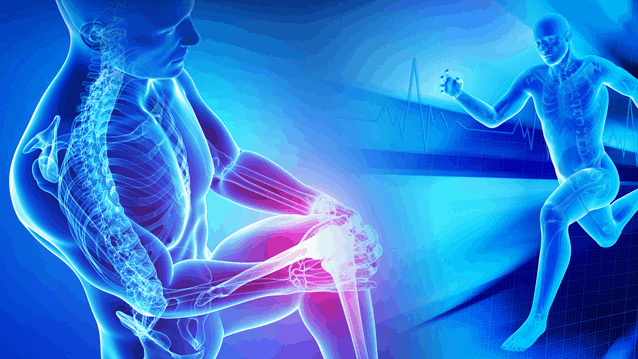
Sports can place significant stress on joints, muscles, tendons, and ligaments. Moreover, athletes can experience ACL injuries, meniscus tears, ankle sprains, shoulder injuries, muscle strains, and other conditions. Therefore, persistent pain or instability should not become part of your normal training routine. In addition, sports injury treatment can combine medical care with physiotherapy and gradual return-to-activity planning. As a result, athletes can work toward restoring function and returning to suitable physical activities.
Ligaments provide stability to joints and help control movement. Moreover, sudden twisting, falls, collisions, and sports movements can cause ligament injuries. Therefore, swelling, instability, pain, or difficulty changing direction after an injury requires proper evaluation. In addition, treatment can involve rehabilitation or surgical reconstruction depending on the injury and individual requirements. As a result, an orthopedic assessment can help determine the most suitable recovery strategy.
Fractures require timely medical assessment because different injuries require different management approaches. Moreover, falls, road accidents, sports injuries, and direct impacts can cause fractures. Therefore, severe pain, swelling, deformity, or difficulty using the affected limb requires prompt medical attention. In addition, X-rays and other diagnostic tests can help your doctor understand the injury. As a result, appropriate fracture management can support proper healing and restoration of function.
Arthritis can cause joint pain, stiffness, swelling, and reduced movement. Moreover, knee, hip, shoulder, and other joints can experience arthritis-related symptoms. Therefore, persistent joint discomfort should receive professional evaluation. In addition, treatment may include exercise, physiotherapy, medication, activity modification, injections, or surgery for selected patients. As a result, personalized arthritis management can help patients maintain mobility and manage symptoms.
Many orthopedic problems do not require surgery. Moreover, conservative treatment can improve symptoms in many suitable cases. However, significant fractures, severe joint damage, persistent instability, certain ligament injuries, and advanced arthritis may require surgical evaluation. Therefore, an orthopedic specialist should assess your condition before recommending an operation. In addition, your age, health, activity level, diagnosis, and treatment goals can influence the decision. As a result, you can make a more informed choice about your treatment.
Arthroscopic surgery uses a small camera and specialized instruments to diagnose and treat selected joint conditions. Moreover, orthopedic surgeons may use arthroscopy for certain knee, shoulder, and other joint problems. Therefore, not every patient or condition requires arthroscopic treatment. In addition, your doctor should review your symptoms, examination, and imaging before recommending the procedure. As a result, you can understand whether arthroscopic surgery suits your specific condition.
Older adults can experience joint stiffness, arthritis, balance difficulties, and problems related to previous injuries. Moreover, these issues can affect independence and everyday mobility. Therefore, persistent pain or difficulty walking deserves appropriate orthopedic evaluation. In addition, strengthening exercises, mobility programs, medication, lifestyle changes, or surgical treatment may help selected patients. As a result, personalized orthopedic care can support mobility and quality of life.
Regular physical activity supports good health, but sudden training increases or repetitive movements can place extra stress on the musculoskeletal system. Moreover, poor technique and inadequate recovery can contribute to injuries. Therefore, active individuals should address recurring pain instead of repeatedly training through symptoms. In addition, appropriate strength training, flexibility work, technique correction, and recovery can support joint health. As a result, balanced activity can help you stay active while reducing unnecessary strain.
Choosing an orthopedic doctor requires more than simply selecting the closest clinic. Moreover, qualifications, relevant experience, diagnostic facilities, treatment options, surgical expertise, rehabilitation support, and communication can influence your care experience. Therefore, ask questions about your diagnosis and available treatment options during your consultation. In addition, understanding expected recovery and follow-up requirements can help you prepare for treatment. As a result, you can make a more informed healthcare decision.
Every patient has different symptoms, physical demands, medical history, and recovery goals. Moreover, two people with similar pain may require completely different treatment plans. Therefore, personalized assessment remains important in orthopedic care. In addition, your doctor can adjust treatment according to your progress and response. As a result, individualized care can help you work toward improved movement, comfort, and daily function.