Dr Amit Saoji | Orthopedic Surgeon In Nagpur | Orthopedic Doctor in Nagpur

Orthopedic Doctor Near Me In Rewa For Complete Bone And Joint Care
Finding an Orthopedic Doctor Near Me In Rewa can make it easier to address bone, joint, muscle, ligament, and tendon problems. Moreover, orthopedic conditions can affect walking, working, exercising, and everyday movement. Therefore, timely medical evaluation can help identify the cause of pain and guide suitable treatment. In addition, an orthopedic specialist can assess injuries, joint problems, sports conditions, and long-term musculoskeletal concerns. However, every patient has different symptoms and treatment needs. As a result, personalized orthopedic care can support better mobility and functional recovery.
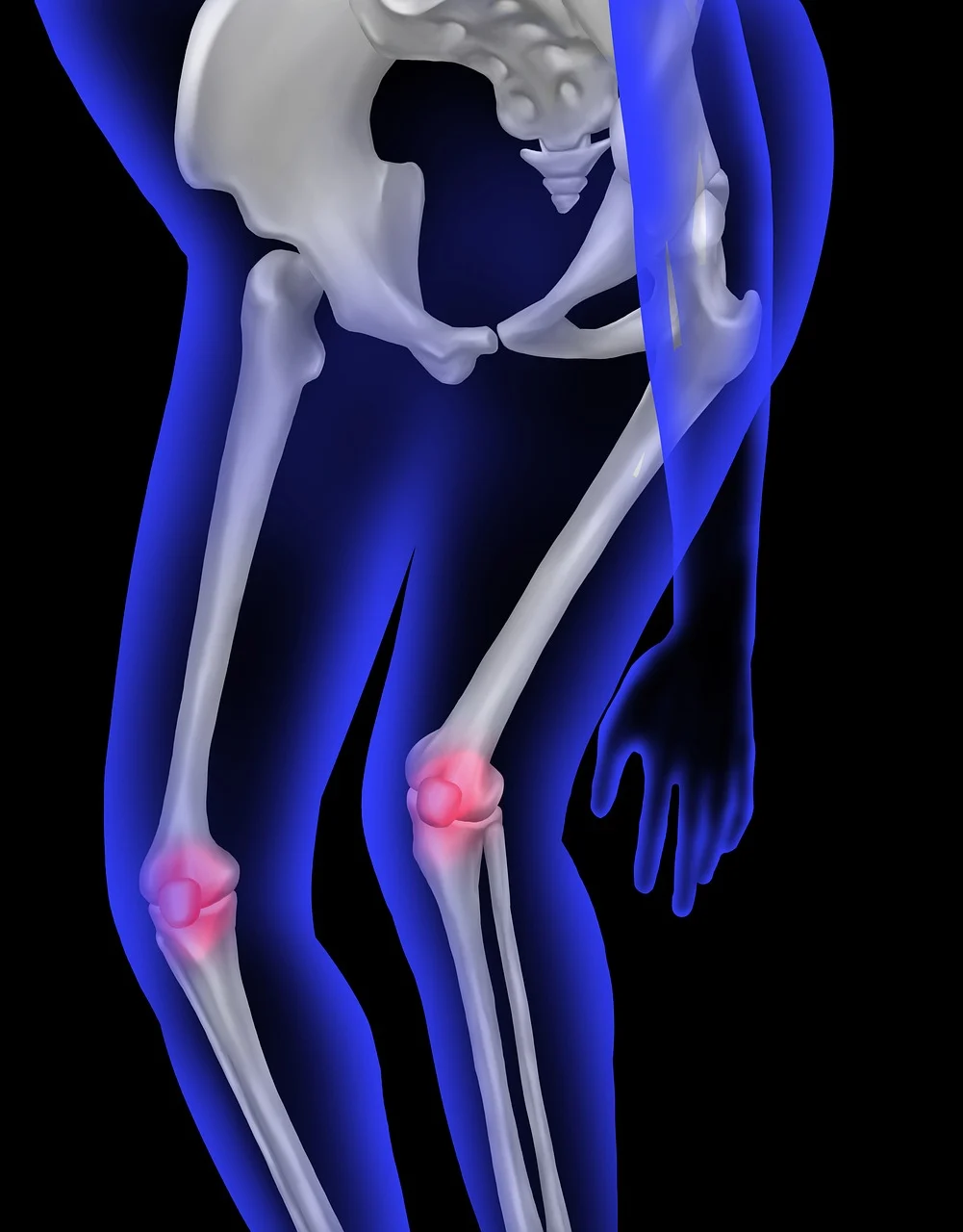
What Does An Orthopedic Doctor Treat? | Orthopedic Doctor Near Me In Rewa
An orthopedic doctor diagnoses and manages conditions that affect the musculoskeletal system. Moreover, this system includes bones, joints, muscles, ligaments, tendons, and cartilage. Therefore, orthopedic care can address fractures, arthritis, ligament injuries, sports injuries, joint pain, tendon problems, and other conditions. In addition, specialists can recommend conservative treatment, rehabilitation, injections when appropriate, or surgery for selected cases. However, treatment depends on the patient’s diagnosis and overall condition. As a result, professional evaluation helps determine the most suitable approach.
Common Orthopedic Problems In Rewa
People can experience orthopedic problems at different ages and activity levels. Moreover, common conditions include knee pain, shoulder pain, back pain, hip problems, arthritis, fractures, ligament injuries, and sports-related conditions. Therefore, persistent discomfort can interfere with routine activities and physical performance. In addition, previous injuries can sometimes contribute to recurring symptoms. However, similar symptoms can have different causes. As a result, an orthopedic examination can help identify the actual problem.
Knee Pain Treatment
Knee pain can result from arthritis, sports injuries, ligament damage, meniscus problems, tendon conditions, or overuse. Moreover, knee symptoms can affect walking, stairs, squatting, running, and other activities. Therefore, an orthopedic doctor can evaluate knee movement, stability, strength, and pain patterns. In addition, the specialist may recommend imaging when necessary. However, treatment varies according to the diagnosis. As a result, patients may receive physiotherapy, activity modification, medication, or surgical care when appropriate.
Shoulder Pain Treatment
Shoulder pain can develop from rotator cuff problems, frozen shoulder, arthritis, tendon injuries, sports injuries, or trauma. Moreover, shoulder problems can make lifting, reaching, dressing, and sleeping difficult. Therefore, an orthopedic evaluation can help identify the affected structures. In addition, physiotherapy can improve mobility and strength in many suitable cases. However, significant structural damage may require further treatment. As a result, personalized care can help patients work toward better shoulder function.
Hip Pain Treatment
Hip pain can affect walking, sitting, climbing stairs, and physical activity. Moreover, arthritis, injuries, tendon problems, and other joint conditions can cause hip discomfort. Therefore, an orthopedic specialist can evaluate movement, strength, joint function, and pain patterns. In addition, imaging can help assess the joint when clinically appropriate. However, treatment depends on the underlying condition. As a result, patients can receive a treatment plan that matches their symptoms and functional needs.
Sports Injury Treatment | Orthopedic Doctor Near Me In Rewa
Sports can place significant stress on joints, muscles, ligaments, and tendons. Moreover, sudden twisting, falls, collisions, jumping, and repetitive movements can cause sports injuries. Therefore, athletes may develop ACL injuries, meniscus tears, ligament sprains, tendon problems, or other conditions. In addition, rehabilitation can help restore strength, balance, flexibility, and movement control. However, severe injuries may require surgical evaluation. As a result, timely orthopedic care can support a structured recovery.
ACL And Ligament Injuries
Ligaments provide stability to joints during movement. Moreover, sports and sudden twisting movements can injure the ACL, PCL, MCL, LCL, and other ligaments. Therefore, patients may experience pain, swelling, weakness, or joint instability. In addition, selected injuries can improve with rehabilitation and activity modification. However, significant tears may require ligament reconstruction. As a result, an orthopedic specialist can recommend treatment according to injury severity, stability, activity level, and recovery goals.
Fracture Treatment In Rewa | Orthopedic Doctor Near Me In Rewa
Fractures can occur after falls, accidents, sports injuries, or direct trauma. Moreover, fractures can affect the wrist, arm, shoulder, ankle, leg, hip, or other bones. Therefore, patients should seek medical evaluation after significant trauma or severe pain. In addition, X-rays and other imaging can help the orthopedic doctor understand the injury. However, fracture treatment depends on location, type, alignment, and severity. As a result, the specialist can recommend suitable fracture management and follow-up care.
Arthritis Treatment
Arthritis can cause joint pain, stiffness, swelling, and reduced mobility. Moreover, knee, hip, shoulder, and other joints can develop arthritis-related symptoms. Therefore, an orthopedic doctor can evaluate joint function and the impact on daily activities. In addition, appropriate exercise, physiotherapy, lifestyle changes, and medical treatment can help selected patients manage symptoms. However, advanced joint damage may require surgical assessment. As a result, personalized treatment can address the patient’s functional needs.
Non-Surgical Orthopedic Treatment | Orthopedic Doctor Near Me In Rewa
Many orthopedic conditions can improve with non-surgical care. Moreover, treatment may include physiotherapy, strengthening exercises, mobility training, activity modification, and appropriate medical management. Therefore, patients may improve function without undergoing surgery when their condition allows. In addition, rehabilitation can address weakness and movement limitations. However, significant structural damage may require surgical consultation. As a result, the orthopedic doctor considers the diagnosis, symptoms, activity level, and treatment response before recommending further care.
Physiotherapy And Rehabilitation
Rehabilitation can play an important role in orthopedic recovery. Moreover, physiotherapy can improve strength, flexibility, balance, coordination, mobility, and joint control. Therefore, patients can gradually regain functional abilities after injuries or orthopedic procedures. In addition, therapists can adjust exercises according to progress and individual needs. However, rehabilitation should follow professional guidance. As a result, a structured program can support safe and gradual improvement.
Arthroscopic Surgery | Orthopedic Doctor Near Me In Rewa
Arthroscopy uses a small camera and specialized instruments to examine and treat selected joint problems. Moreover, orthopedic surgeons may use arthroscopy for certain knee, shoulder, ankle, and other joint conditions. Therefore, this technique can allow targeted treatment of suitable internal joint problems. In addition, surgeons can assess associated structures during appropriate procedures. However, arthroscopy does not suit every orthopedic condition. As a result, the specialist should recommend it only after evaluating the patient’s specific diagnosis.
Knee Replacement Surgery
Advanced knee arthritis can cause persistent pain and difficulty with everyday activities. Moreover, joint damage can affect walking, stairs, exercise, and overall mobility. Therefore, selected patients may require knee replacement after careful orthopedic assessment. In addition, the doctor considers symptoms, joint damage, functional limitations, overall health, and previous treatment. However, knee replacement does not suit every patient with knee pain. As a result, patients should discuss all appropriate treatment options with an orthopedic specialist.
Joint Replacement Care | Orthopedic Doctor Near Me In Rewa
Joint replacement can help selected patients who experience significant pain and functional limitations from advanced joint damage. Moreover, hip and knee replacement remain common orthopedic procedures. Therefore, proper evaluation helps determine whether surgery may suit the patient. In addition, postoperative rehabilitation supports mobility, strength, and functional recovery. However, recovery varies according to the procedure and individual health. As a result, patients should follow their orthopedic and physiotherapy team’s recommendations.
When Should You Visit An Orthopedic Doctor?
Consider visiting an orthopedic doctor when pain, swelling, stiffness, weakness, or restricted movement continues to affect your activities. Moreover, persistent symptoms after an injury deserve professional evaluation. Therefore, timely consultation can help identify the underlying condition. In addition, recurring joint instability or difficulty walking can require further assessment. However, only a qualified orthopedic professional can determine the actual cause. As a result, early evaluation can help patients understand suitable treatment options.
How To Find An Orthopedic Doctor Near Me In Rewa
When searching for an Orthopedic Doctor Near Me In Rewa, consider orthopedic experience, diagnostic facilities, treatment options, surgical expertise, physiotherapy support, and follow-up care. Moreover, comprehensive orthopedic care should cover diagnosis, treatment planning, rehabilitation, and recovery. Therefore, patients should look beyond a single treatment or procedure. In addition, clear communication can help patients understand their condition and options. However, every patient needs an individualized approach. As a result, choosing a specialist who focuses on personalized care can support informed decisions.
Personalized Orthopedic Care In Rewa
Every orthopedic condition has different causes and effects. Moreover, age, activity level, previous injuries, occupation, lifestyle, and overall health can influence treatment decisions. Therefore, the orthopedic specialist should evaluate the complete clinical picture before recommending care. In addition, rehabilitation can progress according to pain, movement, strength, and functional improvement. However, no single treatment approach suits everyone. As a result, personalized orthopedic care can provide a more appropriate recovery pathway.
Why Choose Local Orthopedic Care? | Orthopedic Doctor Near Me In Rewa
Choosing an orthopedic doctor close to your location can make consultations and follow-up visits more convenient. Moreover, regular follow-up can support monitoring during treatment and rehabilitation. Therefore, patients can maintain better continuity of care when they can attend appointments comfortably. In addition, local access can help patients seek professional assessment without unnecessary delays. However, patients should still consider the doctor’s expertise and treatment capabilities. As a result, convenience works best alongside quality orthopedic care.
Frequently Asked Questions
Orthopedic doctors treat bone, joint, muscle, ligament, tendon, and cartilage problems.
Visit one when persistent pain, swelling, stiffness, weakness, or movement problems affect daily activities.
Yes. Orthopedic specialists can evaluate and treat many sports-related injuries.
Yes. Many knee conditions can improve with suitable conservative treatment and physiotherapy.
No. Treatment depends on the injury, joint stability, activity level, and individual needs.
Book An Appointment With An Orthopedic Doctor Near Me In Rewa
If bone, joint, muscle, ligament, or tendon problems affect your daily life, consider scheduling an orthopedic consultation in Rewa. Moreover, an orthopedic specialist can evaluate your symptoms and recommend suitable diagnostic tests when necessary. Therefore, professional assessment can help determine whether conservative treatment, rehabilitation, arthroscopy, fracture care, or joint replacement may suit your condition. In addition, early evaluation can help identify associated problems. However, treatment should always follow an individual medical assessment. Book An Appointment