Dr Amit Saoji | Orthopedic Surgeon In Nagpur | Orthopedic Doctor in Nagpur

Orthopedic Doctor Near Me In Yavatmal
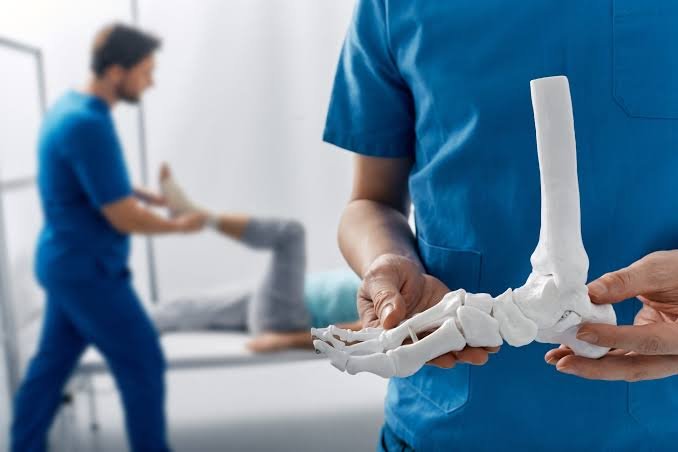
Expert Orthopedic Care | Orthopedic Doctor Near Me In Yavatmal
What Does An Orthopedic Doctor Treat?
Common orthopedic conditions include:
- Knee pain
- Shoulder pain
- Hip pain
- Back and neck problems
- Arthritis
- ACL injuries
- Meniscus injuries
- Ligament injuries
- Sports injuries
- Fractures
- Tendon problems
- Joint stiffness
- Muscle injuries
- Joint instability
Why Consult An Orthopedic Doctor Near Me In Yavatmal?
Common Reasons To Visit An Orthopedic Doctor
You may consider an orthopedic consultation when pain or movement problems interfere with everyday activities. Moreover, some orthopedic conditions develop gradually, while others follow an injury or accident. Therefore, persistent symptoms deserve professional attention rather than prolonged self-management.
Common reasons include:
- Persistent joint pain
- Difficulty walking
- Knee pain
- Shoulder stiffness
- Sports injuries
- Ligament injuries
- Joint swelling
- Reduced movement
- Muscle weakness
- Repeated joint instability
- Pain after an injury
- Difficulty performing daily activities
In addition, severe pain, visible deformity, or an inability to use a limb after significant trauma requires prompt medical assessment.
Knee Pain Treatment |Orthopedic Doctor Near Me In Yavatmal
Shoulder Pain Treatment In Yavatmal
Sports Injury Treatment | Orthopedic Doctor Near Me In Yavatmal
ACL And Ligament Treatment
Arthritis And Joint Pain | Orthopedic Doctor Near Me In Yavatmal
Fracture And Injury Care
Orthopedic Diagnosis And Evaluation | Orthopedic Doctor Near Me In Yavatmal
Non-Surgical Orthopedic Treatment
Many orthopedic conditions can improve with appropriate non-surgical care. Moreover, treatment depends on your diagnosis, symptoms, activity level, and overall health. Therefore, your doctor may recommend a combination of conservative approaches.
Treatment may include:
- Physiotherapy
- Strengthening exercises
- Mobility exercises
- Stretching
- Activity modification
- Pain-management strategies
- Supportive braces when appropriate
- Injections when clinically suitable
- Gradual return to activity
In addition, regular follow-up can help your doctor monitor progress and adjust the treatment plan when necessary.
Physiotherapy And Rehabilitation | Orthopedic Doctor Near Me In Yavatmal
Arthroscopic Surgery
Knee Replacement Surgery | Orthopedic Doctor Near Me In Yavatmal
When Should You See An Orthopedic Doctor?
How To Choose An Orthopedic Doctor Near Me In Yavatmal
Frequently Asked Questions
Book An Appointment With An Orthopedic Doctor Near Me In Yavatmal
Persistent pain or movement difficulties can affect your work, exercise, sports, and everyday life. Moreover, professional evaluation can help you understand the possible cause of your symptoms. Therefore, consider consulting an Orthopedic Doctor Near Me In Yavatmal when you experience ongoing joint pain, stiffness, swelling, weakness, instability, or restricted movement. In addition, share your symptoms, injury history, activity level, and previous treatment during your consultation. As a result, your orthopedic specialist can discuss suitable diagnostic and treatment options based on your individual needs.Book an Appointment