Dr Amit Saoji | Orthopedic Surgeon In Nagpur | Orthopedic Doctor in Nagpur

Shoulder Arthroscopy In Adilabad – Dr. Amit Saoji Ortho Sports Care
Shoulder pain, stiffness, weakness, or repeated dislocation can make everyday activities difficult and affect your ability to work, exercise, or participate in sports. When medicines, physiotherapy, and other non-surgical treatments do not provide sufficient relief, shoulder arthroscopy in Adilabad can be an effective minimally invasive treatment option for selected shoulder conditions.
Dr. Amit Saoji Ortho Sports Care provides specialized orthopaedic and arthroscopy care for patients experiencing shoulder injuries and joint problems. Dr. Amit Saoji is an orthopaedic, arthroscopy and sports-medicine surgeon with a focus on shoulder, knee and hip conditions. His training includes fellowship experience in joint arthroscopy and sports medicine, along with specialized shoulder and knee arthroscopy training.
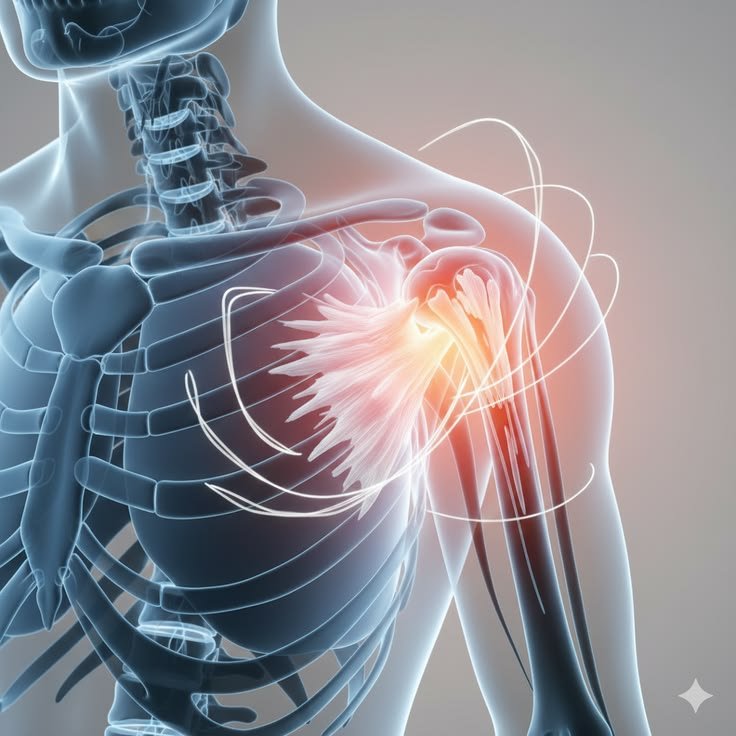
What Is Shoulder Arthroscopy?
Shoulder arthroscopy is a minimally invasive surgical procedure used to examine and treat problems inside the shoulder joint. During the procedure, a small camera called an arthroscope is inserted through a small incision. The camera provides a magnified view of the structures inside the shoulder, allowing the surgeon to identify and treat specific problems using specialized instruments.
Compared with traditional open surgery, arthroscopic procedures generally require smaller incisions. Depending on the condition being treated, this may help reduce soft-tissue disruption and support the rehabilitation process. However, recovery varies according to the type of shoulder problem, procedure performed, and individual patient factors.
Conditions That May Require Shoulder Arthroscopy
Shoulder arthroscopy may be considered for several conditions when appropriate non-surgical treatment has not provided adequate improvement. These include:
- Rotator cuff tears
- Shoulder impingement
- Recurrent shoulder dislocation or instability
- Labral tears
- SLAP tears
- Shoulder bursitis
- Certain cartilage injuries
- Tendon and ligament-related shoulder problems
- Shoulder injuries associated with sports
- Persistent shoulder pain and stiffness caused by specific structural problems
A detailed clinical examination and appropriate imaging, such as an X-ray or MRI when indicated, can help determine the underlying cause of shoulder symptoms and whether surgery is appropriate.
Shoulder Arthroscopy For Rotator Cuff Tears
The rotator cuff consists of muscles and tendons that help stabilize the shoulder and allow the arm to move. A rotator cuff tear can occur because of an injury, repetitive overhead activity, sports, or age-related tendon changes.
Patients may experience:
- Pain while lifting the arm
- Shoulder weakness
- Night pain
- Difficulty reaching overhead
- Reduced shoulder movement
- Pain during sports or physical activity
When a significant rotator cuff tear does not improve with conservative treatment, arthroscopic repair may be considered. The exact treatment depends on the size and location of the tear, tendon quality, patient activity level, and overall shoulder condition.
Shoulder Arthroscopy For Recurrent Dislocation
A shoulder that repeatedly slips out of its normal position may indicate shoulder instability. This can occur after a traumatic injury or repeated sports-related episodes.
Recurrent dislocation may cause:
- Shoulder instability
- Pain
- Fear of certain movements
- Reduced confidence while playing sports
- Repeated episodes of the shoulder coming out of position
In selected patients, arthroscopic stabilization can be used to repair damaged structures and improve shoulder stability.
Shoulder Arthroscopy For Labral Tears
The labrum is a ring of cartilage that contributes to shoulder stability. Injuries to the labrum can occur following trauma, dislocation, or repetitive overhead movements.
Symptoms may include shoulder pain, clicking, catching, weakness, and instability. After evaluation, arthroscopic treatment may be recommended for certain labral injuries when conservative management does not provide adequate relief.
Why Choose Dr. Amit Saoji For Shoulder Arthroscopy?
Choosing the appropriate surgeon is an important part of shoulder treatment. Dr. Amit Saoji has specialized training in orthopaedics, arthroscopy and sports medicine, with a particular focus on shoulder and knee conditions. His professional training includes an ISAKOS fellowship in joint arthroscopy and sports medicine and fellowship training in shoulder and knee arthroscopy.
At Dr. Amit Saoji Ortho Sports Care, treatment is based on the patient’s symptoms, examination findings, imaging results, activity level, and individual recovery goals.
The approach may include:
- Detailed clinical evaluation
- Assessment of shoulder movement and stability
- Review of X-rays or MRI scans when required
- Non-surgical treatment when appropriate
- Arthroscopic treatment for suitable conditions
- Post-operative rehabilitation guidance
- Sports-specific recovery planning when required
Benefits Of Shoulder Arthroscopy
For appropriately selected patients, shoulder arthroscopy can offer several potential advantages because the procedure is performed through small incisions.
Potential benefits include:
- Smaller surgical incisions
- Less disruption to surrounding soft tissues
- Direct visualization of the shoulder joint
- Ability to diagnose and treat certain problems during the same procedure
- Structured rehabilitation after surgery
- Potential return to daily activities and sports following appropriate recovery
The benefits and recovery period differ from one patient to another. Your orthopaedic surgeon can explain the expected outcome based on your specific diagnosis.
What Happens During Shoulder Arthroscopy?
Before surgery, the shoulder is carefully evaluated and the required investigations are reviewed. If arthroscopy is recommended, the procedure is performed using an arthroscope and specialized surgical instruments.
The surgeon inserts the arthroscope through a small incision to visualize the shoulder joint. Additional small incisions may be used to introduce instruments and perform the required repair or treatment.
Depending on the diagnosis, the procedure may involve repairing a rotator cuff tear, treating a labral injury, addressing instability, removing inflamed tissue, or treating another specific problem identified during evaluation.
Recovery After Shoulder Arthroscopy
Recovery after shoulder arthroscopy depends on the procedure performed. A simple arthroscopic procedure may have a different recovery timeline from rotator cuff repair or shoulder stabilization surgery.
Post-operative care may include:
- Shoulder protection as advised
- Pain management
- Gradual mobility exercises
- Physiotherapy
- Progressive strengthening
- Activity modification
- Follow-up assessments
Following the rehabilitation programme is an important part of achieving the best possible functional recovery. Patients should not return to heavy lifting or sports until their surgeon and rehabilitation team consider it appropriate.
When Should You Consult A Shoulder Specialist?
You should consider an orthopaedic evaluation if you have persistent:
- Shoulder pain
- Shoulder weakness
- Limited range of motion
- Pain while lifting your arm
- Night-time shoulder pain
- Recurrent shoulder dislocation
- Clicking or catching
- Sports-related shoulder injury
- Difficulty performing daily activities
Early assessment can help identify the cause of symptoms and determine whether physiotherapy, medication, injections, activity modification, or surgery may be appropriate.
Shoulder Arthroscopy In Adilabad For Sports Injuries
Shoulder injuries are common among athletes and individuals involved in activities that require repetitive overhead movements. Cricket, badminton, swimming, volleyball, gym workouts, and other sports can place significant demands on the shoulder.
A sports-related shoulder injury should be evaluated carefully because continuing to play through pain may worsen certain conditions. Treatment should focus not only on reducing pain but also on restoring shoulder strength, mobility, stability, and function.
Dr. Amit Saoji has a professional focus on arthroscopy and sports medicine, making evaluation and treatment of sports-related joint injuries an important part of his clinical practice.
Shoulder Arthroscopy For Different Types Of Shoulder Pain
Not all shoulder pain has the same cause. Pain may develop after a fall, sports injury, repetitive overhead activity, heavy lifting, or gradual wear and tear. Identifying the underlying problem is important because treatment depends on the specific condition affecting the shoulder.
A shoulder specialist may evaluate symptoms such as:
- Pain while raising or rotating the arm
- Shoulder pain at night
- Weakness while lifting objects
- Difficulty reaching behind the back
- Clicking, catching, or grinding sensations
- Repeated shoulder dislocation
- Pain during sports or exercise
- Loss of shoulder movement
- Persistent pain despite physiotherapy
Depending on the examination and imaging findings, treatment may range from conservative care to arthroscopic surgery. Shoulder arthroscopy in Adilabad may be recommended when a structural problem requires surgical correction and the patient is considered an appropriate candidate.
Personalized Shoulder Treatment And Rehabilitation
Every shoulder injury is different, so treatment should be planned according to the patient’s condition, lifestyle, occupation, and activity requirements. A recreational athlete may have different recovery goals from someone whose work involves frequent lifting or overhead activity.
At Dr. Amit Saoji Ortho Sports Care, the treatment process may involve evaluation of shoulder movement, muscle strength, joint stability, previous injuries, imaging findings, and response to earlier treatments.
When surgery is required, rehabilitation remains an important part of recovery. Patients may gradually progress from protection and controlled movement to strengthening and functional activities. Athletes may require additional sport-specific rehabilitation before returning to competitive activity.
Following the recommended rehabilitation programme and attending follow-up appointments can help monitor healing and functional progress after shoulder surgery.
Advanced Orthopaedic Care For Shoulder And Sports Injuries In Adilabad
Shoulder injuries can affect athletes, working professionals, older adults, and people involved in physically demanding activities. Early evaluation can help identify the source of pain and determine the most appropriate treatment.
Dr. Amit Saoji Ortho Sports Care provides orthopaedic and sports injury care with a focus on arthroscopic treatment of conditions affecting the shoulder and other major joints. Patients can receive evaluation for problems such as rotator cuff injuries, shoulder instability, labral tears, sports-related injuries, and persistent shoulder pain.
Whether the appropriate approach involves physiotherapy, activity modification, medication, or shoulder arthroscopy, treatment should be selected according to the individual diagnosis and clinical requirements.
If you are experiencing persistent shoulder pain, weakness, instability, or restricted movement, an orthopaedic evaluation can help you understand the cause of your symptoms and the available treatment options.
Frequently Asked Questions About Shoulder Arthroscopy In Adilabad
Shoulder arthroscopy is a minimally invasive surgical technique, but the complexity of the surgery depends on the condition being treated. Procedures such as rotator cuff repair or instability surgery require appropriate post-operative rehabilitation.
Not every shoulder problem requires surgery. Your doctor may first recommend medicines, physiotherapy, activity modification, or other treatments. Arthroscopy may be considered when a structural problem requires surgical treatment or when appropriate non-surgical treatment has not provided sufficient improvement.
Recovery varies depending on the procedure. Patients undergoing a more complex repair may require several months of rehabilitation before returning to unrestricted activities. Your surgeon can provide a more specific recovery plan after evaluating your shoulder.
Yes, arthroscopic techniques can be used to treat selected rotator cuff tears. The appropriate treatment depends on the type, size, and severity of the tear and the patient’s symptoms and functional requirements.
In selected patients with recurrent instability, arthroscopic stabilization may be recommended. The appropriate procedure depends on the damaged structures and the severity of instability.
Many patients can return to sports after appropriate treatment and rehabilitation. The timing depends on the procedure, healing, strength, range of motion, and type of sport. Return to sports should be gradual and guided by the treating team.
Get Expert Evaluation For Shoulder Problems
Persistent shoulder pain should not always be ignored, particularly when it affects movement, sleep, work, or sports. A proper diagnosis is the first step toward choosing the right treatment.
If you are searching for Shoulder Arthroscopy in Adilabad, shoulder arthroscopy surgeon in Adilabad, or treatment for a rotator cuff tear, shoulder instability, or sports-related shoulder injury, consult Dr. Amit Saoji Ortho Sports Care for an appropriate orthopaedic evaluation and personalized treatment plan.
Dr. Amit Saoji Ortho Sports Care
Dr. Amit Saoji
Orthopaedic, Arthroscopy & Sports Injury Surgeon
Special interest in Shoulder, Knee & Hip Conditions
- Also
- Additionally
- Furthermore
- Moreover
- Besides
- Similarly
- Likewise
- However
- Nevertheless
- Nonetheless
- Although
- Though
- Whereas
- Therefore
- Thus
- Hence
- Consequently
- Accordingly
- Meanwhile
- Afterwards
- Subsequently
- Previously
- Finally
- Eventually
- First
- Firstly
- Secondly
- Next
- Then
- Finally
- For example
- For instance
- Specifically
- Particularly
- Especially
- Indeed
- Importantly
- Generally
- Usually
- Typically
- Clearly
- Certainly
- In fact
- Overall
- Ultimately
- Instead
- Otherwise
- Meanwhile
- Therefore
- As a result
- In addition
- In conclusion