Dr Amit Saoji | Orthopedic Surgeon In Nagpur | Orthopedic Doctor in Nagpur

Shoulder Arthroscopy In Bhandara
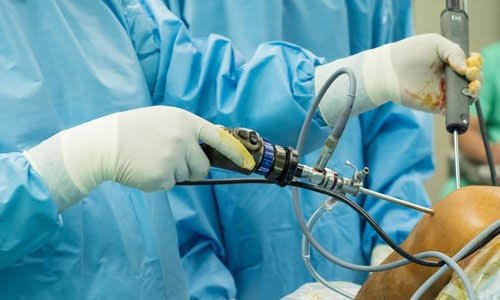
Expert Shoulder Arthroscopy | Shoulder Arthroscopy In Bhandara
What Is Shoulder Arthroscopy?
Why Choose Shoulder Arthroscopy In Bhandara?
Shoulder Conditions That May Need Arthroscopy
Shoulder arthroscopy can help treat selected conditions affecting the joint and surrounding structures. Moreover, the appropriate procedure depends on your diagnosis and the severity of the problem. Therefore, an orthopedic specialist should assess your shoulder before recommending surgery.
Conditions may include:
- Shoulder instability
- Recurrent shoulder dislocation
- Selected rotator cuff tears
- Shoulder impingement
- Labral injuries
- Cartilage problems
- Certain ligament injuries
- Loose bodies within the joint
- Selected sports-related injuries
- Persistent shoulder problems that require surgical treatment
However, not every shoulder condition requires arthroscopy. Therefore, your specialist should recommend surgery only when it suits your clinical needs.
Common Symptoms Of Shoulder Problems
Shoulder conditions can produce different symptoms depending on the affected structure. Moreover, some problems develop gradually, while others begin after an injury or sudden movement. Therefore, persistent symptoms deserve professional evaluation.
Common symptoms include:
- Shoulder pain
- Limited movement
- Shoulder stiffness
- Weakness
- Pain while lifting
- Difficulty reaching overhead
- Shoulder instability
- Recurrent dislocation
- Clicking or catching
- Pain during sleep
- Reduced sports performance
In addition, sudden severe pain after an accident may require prompt medical assessment.
Causes Of Shoulder Injuries
How Does A Doctor Diagnose A Shoulder Problem?
When Should You Consider Shoulder Arthroscopy?
Shoulder Arthroscopy For Rotator Cuff Problems
Benefits Of Shoulder Arthroscopy
Preparing For Shoulder Arthroscopy
What Happens During Shoulder Arthroscopy?
Recovery After Shoulder Arthroscopy
Physiotherapy After Shoulder Arthroscopy
Hip and Joint Returning To Sports After Shoulder Arthroscopy
Non-Surgical Treatment Before Shoulder Surgery
Choosing The Right Shoulder Arthroscopy Surgeon In Bhandara
Preventing Shoulder Injuries
You can support shoulder health by maintaining strength, flexibility, and good movement habits. Moreover, sudden increases in training can place extra stress on shoulder muscles and tendons. Therefore, increase exercise intensity gradually and use appropriate techniques. In addition, warm up before demanding activities and include suitable strengthening exercises. As a result, consistent training habits can help reduce avoidable strain and support healthy shoulder function.
Shoulder Health Tips- Warm up before exercise
- Strengthen shoulder-supporting muscles
- Maintain flexibility
- Use correct lifting techniques
- Increase training gradually
- Avoid repetitive overload
- Allow sufficient recovery
- Maintain proper exercise form
- Address persistent pain early
- Follow professional rehabilitation advice