
Dr Amit Saoji | Orthopedic Surgeon In Nagpur | Orthopedic Doctor in Nagpur

Shoulder Arthroscopy in Gondia

Shoulder Arthroscopy In Gondia, Shoulder pain can affect your work, sleep, exercise, and everyday movements. Moreover, injuries involving the rotator cuff, labrum, cartilage, or shoulder joint can make simple activities uncomfortable. Therefore, an early orthopedic evaluation can help identify the underlying problem and guide suitable treatment. In addition, shoulder arthroscopy offers a specialized approach for treating selected shoulder conditions through small surgical openings. As a result, patients can follow a focused treatment and rehabilitation plan based on their individual needs.
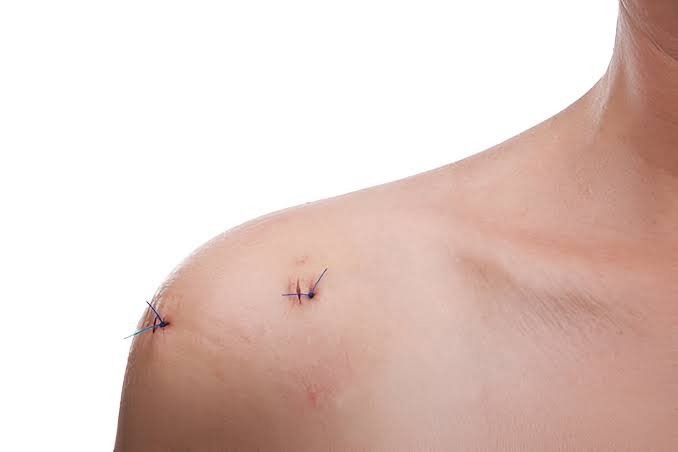
Shoulder Arthroscopy In Gondia

What Is Shoulder Arthroscopy?

Shoulder arthroscopy uses a small camera called an arthroscope to help the surgeon view structures inside the shoulder joint. Moreover, specialized instruments can help the surgeon treat selected problems through small surgical openings. Therefore, this technique can help address certain injuries involving the rotator cuff, labrum, cartilage, and shoulder joint. In addition, your surgeon will recommend arthroscopy only after evaluating your symptoms, examination findings, and diagnostic reports. As a result, your treatment plan can focus on the specific cause of your shoulder problem.

Shoulder Conditions That May Need Arthroscopy

Several shoulder conditions can cause persistent pain, weakness, stiffness, or instability. Moreover, sports injuries, falls, repetitive overhead movements, and age-related changes can affect different shoulder structures. Therefore, an orthopedic specialist should evaluate ongoing symptoms before choosing treatment.

Shoulder arthroscopy may help treat selected conditions such as:

  • Rotator cuff injuries
  • Labral tears
  • Shoulder instability
  • Shoulder impingement
  • Certain cartilage injuries
  • Recurrent shoulder dislocation
  • Loose bodies inside the joint
  • Selected tendon problems
  • Certain sports-related shoulder injuries

In addition, your doctor may recommend physiotherapy or other non-surgical treatment when those options suit your condition.

Why Do Doctors Recommend Shoulder Arthroscopy?

Doctors may recommend shoulder arthroscopy when symptoms continue despite suitable conservative treatment or when an injury requires surgical management. Moreover, the arthroscope allows the surgeon to directly view structures inside the shoulder. Therefore, the surgeon can evaluate selected problems and perform appropriate treatment during the procedure. In addition, arthroscopic techniques use small surgical openings for many procedures. As a result, selected patients can progress through a structured rehabilitation program according to their procedure and individual recovery.
Common Shoulder Arthroscopic Procedures

Shoulder arthroscopy includes several procedures, and each procedure targets a specific problem. Moreover, your orthopedic specialist will select the appropriate technique after assessing your shoulder condition.

Common procedures may include:

  • Arthroscopic rotator cuff repair
  • Labral repair
  • Shoulder stabilization
  • Treatment of shoulder impingement
  • Removal of loose bodies
  • Selected cartilage procedures
  • Treatment of certain sports injuries

Therefore, discuss the proposed procedure, expected benefits, possible risks, and rehabilitation requirements with your orthopedic specialist before surgery.

Rotator Cuff Arthroscopy In Gondia
The rotator cuff contains muscles and tendons that help stabilize and move the shoulder. Moreover, injury or degeneration can cause pain, weakness, and difficulty lifting the arm. Therefore, persistent symptoms can require an orthopedic evaluation. In addition, your doctor may recommend imaging such as an ultrasound or MRI when clinically appropriate. As a result, the specialist can understand the extent of the injury and decide whether physiotherapy, activity modification, medication, or surgery may suit your condition.

Arthroscopic Treatment For Shoulder Instability

Shoulder instability can occur when the joint repeatedly moves out of its normal position or feels like it may slip. Moreover, previous dislocations and sports injuries can increase the risk of recurrent instability. Therefore, patients with repeated instability should seek specialist assessment. In addition, selected patients may benefit from arthroscopic stabilization procedures. As a result, appropriate treatment and rehabilitation can help improve shoulder stability and functional movement.

Arthroscopic Labral Repair

The labrum helps deepen the shoulder socket and contributes to joint stability. Moreover, sports injuries, falls, and repeated shoulder movements can damage the labrum. Therefore, symptoms such as pain, clicking, catching, or instability may require professional evaluation. In addition, your orthopedic specialist may use physical examination and imaging to assess the injury. As a result, selected patients may receive arthroscopic labral repair along with a structured rehabilitation program.

Shoulder Arthroscopy For Sports Injuries

Athletes often place high demands on their shoulders through throwing, lifting, swimming, contact sports, and overhead movements. Moreover, sudden impacts or repetitive stress can contribute to shoulder injuries. Therefore, athletes should seek evaluation when pain, weakness, or instability continues after an injury. In addition, treatment planning should consider the athlete’s sport, training requirements, and return-to-sport goals. As a result, a structured rehabilitation pathway can support a gradual return to appropriate physical activity.

Symptoms That May Require Shoulder Evaluation

Not every shoulder problem requires surgery. However, persistent symptoms can indicate an injury that needs specialist assessment. Moreover, early evaluation can help identify the cause and guide appropriate treatment.

Consider an orthopedic consultation if you experience:

  • Persistent shoulder pain
  • Pain while lifting the arm
  • Night-time shoulder pain
  • Shoulder weakness
  • Recurrent dislocation
  • Shoulder instability
  • Clicking or catching
  • Reduced range of motion
  • Difficulty performing overhead activities
  • Pain that continues despite conservative treatment

Therefore, professional evaluation can help determine whether arthroscopy or another treatment option suits your condition.

Diagnosis Before Shoulder Arthroscopy In Gondia

A detailed diagnosis helps your orthopedic specialist choose an appropriate treatment plan. Moreover, the consultation usually includes your medical history, symptoms, physical examination, and assessment of shoulder movement and strength. Therefore, your doctor may recommend X-rays, ultrasound, MRI, or other investigations when appropriate. In addition, imaging findings can help the specialist understand the condition of the rotator cuff, labrum, cartilage, and other structures. As a result, you can receive treatment based on your specific shoulder problem.

Benefits Of Shoulder Arthroscopy

Shoulder arthroscopy can offer several potential advantages for selected patients. Moreover, the procedure allows surgeons to examine the shoulder joint using a small camera and specialized instruments.

Potential benefits may include:

  • Small surgical openings
  • Direct visualization of shoulder structures
  • Targeted treatment of selected injuries
  • Less disruption to surrounding tissues in many procedures
  • A structured rehabilitation pathway
  • Support for restoring shoulder function

However, every surgical procedure has potential risks and limitations. Therefore, your orthopedic surgeon should explain the expected benefits and possible complications before treatment.

Is Shoulder Arthroscopy Suitable For Everyone?

No. Moreover, the best treatment depends on your diagnosis, symptoms, injury severity, age, activity level, and overall health. Therefore, an orthopedic specialist should evaluate your shoulder before recommending surgery. In addition, some patients may improve with physiotherapy, medication, activity modification, or other conservative approaches. As a result, personalized evaluation can help avoid unnecessary surgery and identify the most suitable treatment pathway.

Preparing For Shoulder Arthroscopy In Gondia

Proper preparation can help you understand your procedure and recovery plan. Moreover, your doctor may review your medical history, current medicines, allergies, previous surgeries, and diagnostic reports. Therefore, provide accurate information about your health before surgery. In addition, follow all preoperative instructions from your healthcare team. As a result, you can prepare more confidently for the procedure and postoperative rehabilitation.

Recovery

Recovery varies according to the shoulder condition, surgical procedure, associated injuries, and individual healing process. Moreover, many patients require a structured rehabilitation program to restore shoulder movement and strength. Therefore, follow your orthopedic and physiotherapy team’s instructions carefully. In addition, avoid heavy lifting or demanding shoulder movements until your specialist allows them. As a result, gradual rehabilitation can support a safer return to daily activities.

Physiotherapy After Shoulder Arthroscopy In Gondia

Physiotherapy plays an important role after many shoulder arthroscopic procedures. Moreover, rehabilitation can help improve range of motion, muscle strength, flexibility, coordination, and shoulder control. Therefore, your physiotherapist may introduce exercises gradually according to your recovery stage. In addition, consistent home exercises can support supervised therapy when your healthcare team recommends them. As a result, active participation in rehabilitation can help restore functional shoulder movement.

Shoulder Arthroscopy For Active Adults

Active adults often need strong and functional shoulders for work, exercise, gym training, and recreational activities. Moreover, shoulder pain can restrict these activities and reduce confidence in movement. Therefore, treatment should consider your lifestyle and functional goals. In addition, rehabilitation can gradually rebuild strength and movement control after treatment. As a result, patients can work toward returning to suitable activities under professional guidance.

Shoulder Arthroscopy For Athletes

Athletes need careful treatment planning because their shoulders may experience repetitive and high-intensity movements. Moreover, throwing, serving, lifting, swimming, and contact sports can place significant demands on the shoulder. Therefore, athletes should follow a gradual rehabilitation program after surgery. In addition, strength, flexibility, stability, coordination, and sport-specific movement should improve before full participation. As a result, professional monitoring can support a structured return-to-sport process.

Why Choose Professional Shoulder Arthroscopy Care In Gondia?

Choosing appropriate orthopedic care can make the treatment process easier to understand and manage. Moreover, a specialist can evaluate your shoulder problem and discuss both surgical and non-surgical options. Therefore, consider orthopedic expertise, diagnostic support, surgical facilities, rehabilitation services, and follow-up care when selecting treatment. In addition, clear communication can help you understand the procedure, recovery expectations, and possible risks. As a result, you can make a more informed decision about your shoulder health.

Frequently Asked Questions

Shoulder arthroscopy uses a small camera to diagnose and treat certain shoulder problems through small incisions.
It may treat rotator cuff tears, labral tears, instability, impingement, cartilage damage, and some sports injuries.
Yes, it usually involves small incisions, but the technique depends on the procedure.
Yes, selected rotator cuff tears can be repaired arthroscopically.
Yes, arthroscopic stabilization may help treat recurrent shoulder instability.
Recovery depends on the procedure and your healing progress. Your surgeon will provide a personalized timeline.
Usually, physiotherapy helps restore shoulder movement, strength, and stability.

Book An Appointment For Gondia

Persistent shoulder pain should not control your daily life. Moreover, an orthopedic consultation can help identify the cause of your symptoms and explain suitable treatment options. Therefore, contact an orthopedic specialist if shoulder pain, weakness, instability, or restricted movement continues. In addition, bring previous X-rays, MRI reports, prescriptions, and medical records when available. As a result, your specialist can review your medical history and develop an individualized treatment plan. Book an Appointment
Call Now Button