Dr Amit Saoji | Orthopedic Surgeon In Nagpur | Orthopedic Doctor in Nagpur

Shoulder Arthroscopy in Harda – Dr. Amit Saoji Ortho Sports Care
If you are searching for Shoulder Arthroscopy in Harda, persistent shoulder pain, instability, restricted movement, or a sports-related injury may require evaluation by an experienced orthopedic specialist. Shoulder arthroscopy is a minimally invasive surgical technique that allows an orthopedic surgeon to examine and treat selected problems inside the shoulder joint through small incisions.
Dr. Amit Saoji Ortho Sports Care provides specialized orthopedic care for shoulder conditions, sports injuries, arthroscopy, ligament problems, and joint-related conditions. Dr. Amit Saoji is an orthopedic, arthroscopy, sports medicine, and arthroplasty surgeon with specialized training in arthroscopy and sports medicine. His clinical focus includes the knee, shoulder, and hip.
If shoulder pain continues despite rest or conservative treatment, an orthopedic consultation can help determine the underlying cause and whether arthroscopic treatment is appropriate.
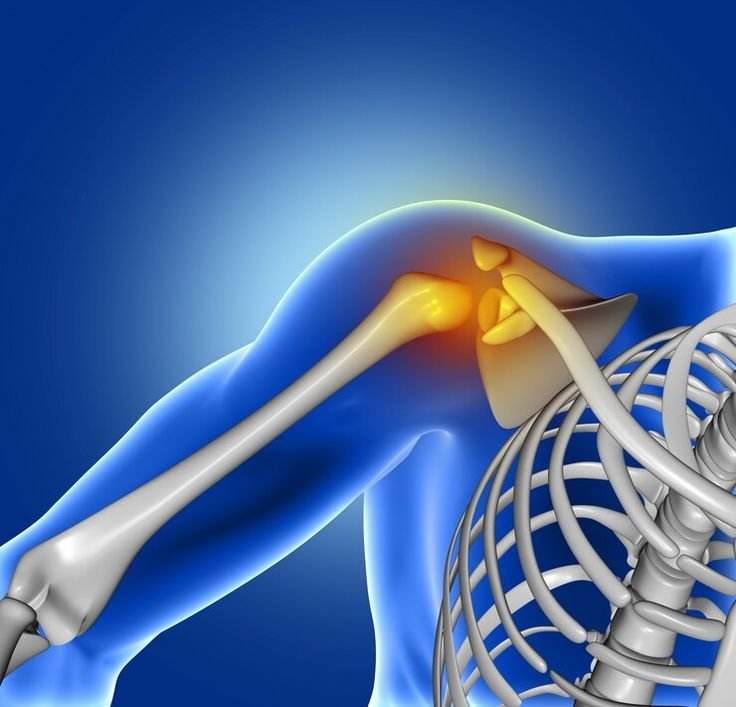
What Is Shoulder Arthroscopy?
Shoulder arthroscopy is a minimally invasive procedure that allows an orthopedic surgeon to see inside the shoulder joint using a small camera called an arthroscope.
During the procedure, the surgeon makes small incisions around the shoulder. The arthroscope enters through one of these openings and transmits images to a monitor. The surgeon can then examine structures within the joint and use specialized instruments through additional small incisions when treatment is necessary.
As a result, shoulder arthroscopy can help doctors diagnose and treat selected conditions while limiting the size of the surgical openings.
However, arthroscopy does not suit every shoulder problem. Therefore, the orthopedic surgeon first evaluates the patient’s symptoms, physical examination, imaging results, activity level, and overall condition before recommending surgery.
When Is Shoulder Arthroscopy Recommended?
Not every patient with shoulder pain needs surgery. In many cases, doctors initially consider conservative treatment such as physiotherapy, activity modification, medication, or other appropriate measures.
However, an orthopedic surgeon may consider shoulder arthroscopy when a patient has a structural problem that may benefit from surgical treatment.
Conditions that may require arthroscopic evaluation or treatment include:
- Shoulder instability
- Recurrent shoulder dislocation
- Labral injuries
- Rotator cuff problems
- Shoulder impingement
- Certain cartilage injuries
- Sports-related shoulder injuries
- Selected ligament injuries
- Persistent shoulder pain
- Certain conditions affecting shoulder movement
Therefore, patients should not decide on surgery based only on symptoms or an MRI report. Instead, an orthopedic specialist should assess the complete clinical picture.
Common Symptoms of Shoulder Problems
Shoulder conditions can produce different symptoms depending on the underlying problem.
Common symptoms include:
- Persistent shoulder pain
- Pain while lifting the arm
- Difficulty reaching overhead
- Reduced shoulder movement
- Shoulder weakness
- Clicking or catching
- Repeated shoulder dislocation
- A feeling that the shoulder may slip out of position
- Pain during exercise
- Difficulty sleeping because of shoulder pain
For example, an athlete may experience instability after a shoulder dislocation, while another patient may experience gradual pain and restricted movement.
Consequently, the appropriate treatment can differ considerably between patients.
Shoulder Arthroscopy for Sports Injuries
Sports activities can place significant stress on the shoulder. Therefore, athletes involved in throwing, lifting, contact, or overhead sports may develop shoulder injuries. Shoulder Arthroscopy In Harda
Sports that can place considerable demands on the shoulder include:
- Cricket
- Swimming
- Tennis
- Badminton
- Volleyball
- Basketball
- Weightlifting
- Football
- Contact sports
For example, a cricket player may develop shoulder pain after repetitive throwing. Similarly, an athlete may experience shoulder instability after a fall or collision.
However, sports-related shoulder pain does not automatically mean that surgery is necessary. An orthopedic assessment can determine whether rehabilitation or surgical treatment provides the more appropriate option.
Dr. Amit Saoji has specialized training in sports medicine and arthroscopy, making specialist evaluation particularly relevant for patients with sports-related shoulder problems.
Shoulder Dislocation and Arthroscopy
A shoulder dislocation occurs when the upper end of the arm bone moves out of its normal position within the shoulder joint.
After a dislocation, some patients experience repeated episodes of instability. The shoulder may feel loose, weak, or as though it could come out of position during certain movements.
Recurrent instability can affect sports participation and everyday activities.
Therefore, patients with repeated shoulder dislocations should undergo an orthopedic evaluation.
Depending on the patient’s age, activity level, injury pattern, and associated damage, the surgeon may recommend rehabilitation or surgical stabilization.
In selected cases, arthroscopic surgery can help repair damaged structures and improve shoulder stability.
Labral Injuries and Shoulder Arthroscopy
The labrum is a ring of cartilage that helps deepen the shoulder socket and contributes to joint stability.
A labral injury can occur because of a fall, sports injury, repetitive overhead activity, or shoulder dislocation.
Symptoms may include:
- Shoulder pain
- Clicking
- Catching
- Instability
- Weakness
- Pain during overhead movements
However, these symptoms can also occur with other shoulder conditions. Therefore, doctors may combine a physical examination with appropriate imaging to understand the problem.
When a labral injury requires surgery, an arthroscopic approach may be considered in appropriate patients.
Rotator Cuff Problems and Arthroscopy
The rotator cuff consists of muscles and tendons that help stabilize the shoulder and control arm movement.
Rotator cuff problems can develop because of sports activities, repetitive overhead movements, trauma, or age-related changes.
Symptoms can include:
- Shoulder pain
- Weakness
- Difficulty lifting the arm
- Pain during overhead activities
- Night pain
- Reduced shoulder function
Initially, many patients may receive conservative treatment. However, some structural injuries may require surgical evaluation.
When surgery becomes appropriate, arthroscopic techniques can provide access to the affected structures through small incisions.
Therefore, patients with persistent symptoms should seek specialist evaluation rather than continuing activities that repeatedly aggravate the shoulder.
How Is a Shoulder Problem Diagnosed?
The diagnosis begins with a detailed consultation.
First, the orthopedic specialist asks about the patient’s symptoms, previous injuries, occupation, sports activities, and medical history.
Next, the doctor performs a physical examination. This examination may assess:
- Shoulder movement
- Muscle strength
- Stability
- Tenderness
- Joint function
- Pain during specific movements
Additionally, the doctor may recommend imaging such as an X-ray or MRI depending on the suspected condition.
An MRI can provide detailed information about soft tissues such as tendons, cartilage, and other structures around the shoulder.
Therefore, patients should bring previous reports and imaging studies to their appointment whenever possible.
How Is Shoulder Arthroscopic Surgery Performed?
Before surgery, the orthopedic surgeon reviews the patient’s diagnosis, imaging, medical history, and treatment goals.
During the procedure, the patient receives appropriate anesthesia. The surgeon then makes small openings around the shoulder.
Next, the arthroscope enters the joint and provides a magnified view of the internal structures. The surgeon examines the shoulder and uses specialized instruments to perform the required procedure.
Depending on the diagnosis, the surgeon may repair, stabilize, clean, or otherwise treat damaged structures.
The exact procedure varies from patient to patient. Therefore, the surgeon should explain the planned treatment before the operation.
Benefits of Shoulder Arthroscopy
For appropriately selected patients, shoulder arthroscopy can provide several potential advantages.
Because the surgeon generally uses small incisions, the procedure can reduce disruption to surrounding soft tissues compared with some traditional open procedures.
Potential advantages include:
- Small surgical incisions
- Direct visualization of the shoulder joint
- Treatment of selected internal shoulder problems
- Less soft-tissue disruption
- Structured post-operative rehabilitation
However, shoulder arthroscopy remains a surgical procedure and carries potential risks. Therefore, patients should discuss the benefits, limitations, possible complications, alternatives, and expected recovery with their orthopedic surgeon.
Recovery After Shoulder Arthroscopy
The Recovery depends significantly on the specific procedure performed.
For example, recovery after a relatively minor arthroscopic procedure can differ from recovery after shoulder stabilization or rotator cuff repair.
Initially, patients may need to focus on:
- Pain management
- Swelling control
- Protecting the repaired structures
- Maintaining appropriate movement
- Following activity restrictions
Next, physiotherapy gradually helps restore shoulder mobility and strength.
As healing progresses, the rehabilitation programme may introduce strengthening and functional exercises.
Therefore, patients should follow the recovery plan provided by their orthopedic surgeon and physiotherapy team.
Physiotherapy After Shoulder Arthroscopy
The Physiotherapy forms an important part of recovery after many shoulder procedures.
Initially, the physiotherapist may focus on controlled movement and protecting the surgical repair. Subsequently, rehabilitation can gradually progress toward strengthening the shoulder and improving stability.
Depending on the procedure, rehabilitation may include:
- Range-of-motion exercises
- Shoulder strengthening
- Rotator cuff strengthening
- Scapular stabilization
- Balance and coordination exercises
- Functional movements
- Sport-specific exercises
Furthermore, athletes may need additional rehabilitation before returning to competitive sports.
Therefore, patients should avoid increasing exercise intensity without guidance from their medical team.
Returning to Sports After Shoulder Arthroscopy
Athletes often want to return to sports as quickly as possible. However, returning too early can place unnecessary stress on healing tissues.
Instead, the rehabilitation programme should progress gradually.
Before returning to demanding sports, the patient may need appropriate:
- Shoulder strength
- Range of motion
- Stability
- Coordination
- Functional ability
- Sport-specific performance
For example, a cricket player may require progressive throwing exercises before returning to competitive play.
Similarly, a weightlifter may need a gradual progression of resistance exercises.
Therefore, the return-to-sport timeline depends on the procedure, healing progress, rehabilitation, and sporting requirements.
Why Choose Dr. Amit Saoji for Shoulder Arthroscopy?
Choosing a specialist for shoulder surgery requires consideration of relevant qualifications and specialized training.
Dr. Amit Saoji is an orthopedic, arthroscopy, sports medicine, and arthroplasty surgeon. His professional training includes DNB Orthopaedics and specialized fellowship training in arthroscopy and sports medicine, including shoulder and knee arthroscopy.
Furthermore, his clinical practice focuses on orthopedic conditions involving the knee, shoulder, and hip, along with sports injuries, arthroscopy, ligament problems, and joint replacement.
His practice lists shoulder arthroscopy among its treatments.
Therefore, patients with persistent shoulder pain, instability, sports injuries, or suspected structural problems can contact the clinic for specialist evaluation.
Shoulder Arthroscopy Consultation for Patients from Harda
If you are searching for Shoulder Arthroscopy in Harda, specialist consultation may be appropriate when shoulder pain or instability continues to interfere with daily activities, work, exercise, or sports.
Dr. Amit Saoji’s published clinic address is in Ramdaspeth, Nagpur, Maharashtra. Therefore, patients travelling from Harda should contact the clinic before making travel arrangements and confirm appointment availability.
Before your appointment, keep the following information available:
- Previous MRI reports
- X-rays
- Medical prescriptions
- Previous treatment records
- Details of previous injuries
- Physiotherapy reports, if available
These documents can help the orthopedic specialist understand your treatment history.
When Should You See a Shoulder Specialist?
You should consider an orthopedic consultation if shoulder symptoms continue despite rest or basic treatment.
In particular, seek evaluation if you experience:
- Persistent shoulder pain
- Repeated dislocation
- Shoulder instability
- Significant weakness
- Restricted movement
- Pain after a sports injury
- Clicking or catching
- Difficulty lifting your arm
- Persistent night pain
- Difficulty returning to normal activities
However, shoulder symptoms can have several possible causes. Therefore, an accurate diagnosis should come before choosing a specific treatment.
Frequently Asked Questions About Shoulder Arthroscopy In Harda
Shoulder arthroscopy is a minimally invasive orthopedic procedure that uses a small camera to examine and treat selected problems inside or around the shoulder joint.
Depending on the diagnosis, shoulder arthroscopy may help treat selected cases of shoulder instability, labral injuries, rotator cuff problems, impingement, cartilage injuries, and sports-related shoulder conditions.
No. Many shoulder problems can improve with physiotherapy, activity modification, medication, and other conservative treatments. The orthopedic surgeon recommends surgery only when the patient’s condition and treatment requirements justify it.
The surgical procedure itself occurs under appropriate anesthesia. After surgery, patients may experience pain, swelling, or stiffness. The treating team provides post-operative instructions and pain-management guidance.
Recovery varies according to the procedure, injury, healing process, rehabilitation, and patient’s activity goals. Therefore, your surgeon and physiotherapist should provide the appropriate recovery plan.
Many patients return to sports after appropriate treatment and rehabilitation. However, athletes should regain adequate strength, movement, stability, and functional ability before returning to competitive activities.
Yes. Shoulder arthroscopy appears among the treatments provided by Dr. Amit Saoji Ortho Sports Care.
The published clinic address is Shop No. 1, Ground Floor, Meher Prasad Complex, Central Bazar Road, beside Neeti Gaurav Complex, Ramdaspeth, Nagpur, Maharashtra 440010.
Patients travelling from Harda should contact the clinic before visiting to confirm appointment availability.
Book a Shoulder Arthroscopy Consultation
Persistent shoulder pain can affect sleep, work, exercise, sports, and everyday movement. Therefore, you should not ignore recurring pain, instability, weakness, or restricted movement.
If you are searching for Shoulder Arthroscopy in Harda, Dr. Amit Saoji Ortho Sports Care provides specialized orthopedic care focused on shoulder arthroscopy, sports injuries, shoulder conditions, arthroscopy, and rehabilitation.
Dr. Amit Saoji Ortho Sports Care
Shop No. 1, Ground Floor, Meher Prasad Complex, Central Bazar Road, beside Neeti Gaurav Complex, Ramdaspeth, Nagpur, Maharashtra 440010