
Dr Amit Saoji | Orthopedic Surgeon In Nagpur | Orthopedic Doctor in Nagpur

Shoulder Arthroscopy In Jabalpur
Persistent shoulder pain can make simple activities such as dressing, lifting, reaching, or sleeping uncomfortable. Moreover, shoulder problems can affect your work, exercise, and overall quality of life. Therefore, patients searching for Shoulder Arthroscopy In Jabalpur can consult an experienced orthopedic specialist for a detailed shoulder assessment. In addition, arthroscopy offers a minimally invasive approach for treating selected shoulder conditions. As a result, suitable patients can receive focused treatment along with a personalized rehabilitation plan.
Shoulder Arthroscopy In Jabalpur

What Is Shoulder Arthroscopy? | Shoulder Arthroscopy In Jabalpur

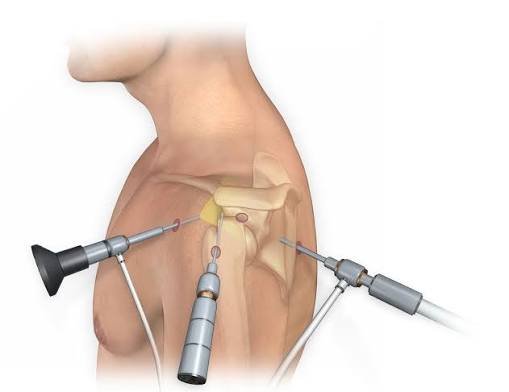
Shoulder arthroscopy uses a small camera called an arthroscope to examine the inside of the shoulder joint. Moreover, the surgeon inserts the camera through a small opening and uses specialized instruments through additional small openings when treatment requires them. Therefore, this technique allows the surgeon to view important structures inside the shoulder clearly. In addition, doctors can use arthroscopy for several ligament, tendon, cartilage, and joint problems. As a result, the procedure can provide a targeted treatment option for carefully selected patients.

How Does Shoulder Arthroscopy Work?

During the procedure, the surgeon creates small access points around the shoulder. Moreover, the arthroscope sends a magnified image to a monitor, allowing the surgeon to examine the joint closely. Therefore, the surgeon can identify specific problems and use specialized instruments to address them. In addition, the exact technique depends on your diagnosis and treatment requirements. As a result, your orthopedic specialist can develop a procedure plan based on your symptoms, examination, and imaging findings.

Conditions Treated With Shoulder Arthroscopy

Shoulder arthroscopy can help treat several problems involving the shoulder joint and surrounding structures. Moreover, the appropriate procedure depends on the exact diagnosis. Therefore, an orthopedic specialist may consider arthroscopic treatment for:

  • Rotator cuff injuries
  • Shoulder instability
  • Labral tears
  • Recurrent shoulder dislocation
  • Certain cartilage injuries
  • Impingement-related problems
  • Selected tendon problems
  • Loose bodies within the joint
  • Some sports-related shoulder injuries
  • Certain chronic shoulder conditions

In addition, your doctor will determine whether arthroscopy suits your condition after a complete evaluation.

When Should You Consider Shoulder Arthroscopy?
Not every shoulder problem requires surgery. However, an orthopedic specialist may consider arthroscopy when persistent symptoms affect your function or when diagnostic tests identify a condition that may benefit from surgical treatment. Moreover, doctors may first recommend physiotherapy, medication, activity modification, or other non-surgical options when appropriate. Therefore, you should discuss all available treatments before making a decision. In addition, your activity level and personal goals can influence the treatment plan. As a result, personalized assessment remains essential.
Common Symptoms of Shoulder Problems

Shoulder conditions can produce different symptoms depending on the affected structure. Moreover, symptoms may gradually increase or appear after an injury. Therefore, seek an orthopedic evaluation if you experience:

  • Persistent shoulder pain
  • Pain while lifting your arm
  • Difficulty reaching overhead
  • Shoulder stiffness
  • Recurrent shoulder instability
  • Clicking or catching sensations
  • Weakness during lifting
  • Pain that affects sleep
  • Reduced shoulder movement
  • Difficulty performing sports or work activities

In addition, early assessment can help identify the underlying cause instead of relying only on pain-relief measures.

Rotator Cuff Arthroscopy

The rotator cuff contains several tendons that help stabilize and move the shoulder. Moreover, injuries can occur because of sports activities, repetitive overhead movements, aging-related changes, or trauma. Therefore, doctors may recommend arthroscopic treatment for selected rotator cuff problems when conservative care does not provide sufficient improvement. In addition, rehabilitation plays an important role after treatment. As a result, patients can gradually work toward improved shoulder strength and movement under professional guidance.

Arthroscopic Treatment for Shoulder Instability

Shoulder instability can occur when the joint repeatedly slips or dislocates. Moreover, repeated instability can affect confidence during everyday movements and sports activities. Therefore, your orthopedic specialist may evaluate the shoulder using a physical examination and appropriate imaging. In addition, selected patients may benefit from arthroscopic stabilization procedures. As a result, treatment can focus on improving shoulder stability while supporting a gradual return to normal activities.

Arthroscopic Labral Repair

The labrum helps deepen the shoulder socket and contributes to joint stability. Moreover, certain injuries can damage this structure and cause pain, clicking, or instability. Therefore, doctors may consider arthroscopic labral repair for suitable patients after evaluating the injury. In addition, rehabilitation helps restore controlled shoulder movement and strength after treatment. As a result, patients can gradually progress toward their daily and physical activity goals.

Benefits of Shoulder Arthroscopy

Shoulder arthroscopy offers several potential advantages for appropriate conditions. Moreover, the technique uses small surgical openings compared with many traditional open procedures. Therefore, it can provide a focused approach while limiting disruption to surrounding tissues in suitable cases. In addition, the surgeon can directly visualize structures inside the joint during the procedure. However, every surgery has potential risks and limitations. As a result, your orthopedic specialist should explain the expected benefits and possible concerns before treatment.

Diagnosis Before Shoulder Arthroscopy

Accurate diagnosis helps your doctor choose the right treatment. Moreover, several shoulder conditions can produce similar symptoms. Therefore, your specialist may review your medical history, perform shoulder movement and stability tests, and recommend imaging when necessary. In addition, X-rays, MRI scans, ultrasound, or other investigations can provide useful information about bones and soft tissues. As a result, detailed evaluation helps the doctor determine whether surgery, physiotherapy, medication, or another treatment approach fits your condition.

Preparing for Shoulder Arthroscopy

Proper preparation can help you understand what to expect before the procedure. Moreover, your doctor will provide instructions according to your health and planned surgery. Therefore, tell your medical team about your medications, allergies, previous operations, and existing health conditions. In addition, complete the recommended investigations and follow instructions about food, drinks, and medications before surgery. As a result, following your healthcare team’s guidance can help you prepare safely.

Recovery After Shoulder Arthroscopy

Recovery varies according to the procedure and individual healing process. Moreover, your doctor may recommend a period of protection followed by gradual movement and strengthening. Therefore, follow instructions regarding arm support, exercises, wound care, and daily activities. In addition, physiotherapy can help restore shoulder mobility, strength, coordination, and function. However, avoid returning to demanding activities before your doctor gives appropriate guidance. As a result, gradual rehabilitation can support a safer recovery.

Physiotherapy After Shoulder Arthroscopy

Physiotherapy forms an important part of many shoulder recovery programs. Moreover, the rehabilitation plan changes as your shoulder progresses through different stages. Therefore, your physiotherapist may begin with appropriate movement exercises and gradually introduce strengthening activities. In addition, later stages can focus on coordination, functional movements, and activity-specific exercises. As a result, consistent rehabilitation can help you regain confidence and improve shoulder function.

Shoulder Arthroscopy for Sports Injuries

Athletes often place repeated demands on their shoulders through throwing, lifting, swimming, contact sports, and overhead movements. Moreover, repetitive stress or sudden trauma can cause injuries involving tendons, labrum, or joint stability. Therefore, athletes with persistent symptoms should seek professional evaluation before returning to intense training. In addition, selected sports injuries may benefit from arthroscopic treatment followed by structured rehabilitation. As a result, appropriate treatment can help athletes work toward a controlled return to their activities.

Who May Benefit From Shoulder Arthroscopy?

Shoulder arthroscopy may suit patients with specific conditions that require surgical treatment. Moreover, doctors consider multiple factors before recommending the procedure. Therefore, your specialist may assess:

  • Type of shoulder injury
  • Severity of the condition
  • Duration of symptoms
  • Response to non-surgical treatment
  • Imaging findings
  • Shoulder strength and movement
  • Joint stability
  • Activity requirements
  • Age and general health
  • Rehabilitation expectations

In addition, your doctor will recommend treatment according to your individual condition rather than using a single approach for every patient.

Factors That Can Affect Shoulder Recovery

Recovery can differ significantly between patients. Moreover, the type of procedure represents only one part of the recovery process. Therefore, your progress may depend on:

  • The specific surgical procedure
  • Severity of the shoulder condition
  • Muscle strength before treatment
  • Age and general fitness
  • Rehabilitation participation
  • Daily physical demands
  • Sports requirements
  • Presence of additional shoulder injuries
  • Individual healing response

As a result, your orthopedic and physiotherapy team can provide the most relevant recovery guidance based on your progress.

Questions to Ask Your Shoulder Surgeon

A detailed consultation can help you understand your treatment choices. Moreover, asking questions allows you to discuss expectations clearly. Therefore, consider asking your specialist:

  • What is causing my shoulder pain?
  • Do I need shoulder arthroscopy?
  • Can physiotherapy help my condition?
  • Which arthroscopic procedure do you recommend?
  • What should I expect during recovery?
  • Will I need a shoulder sling?
  • When can I return to work?
  • When can I resume exercise?
  • Will I need physiotherapy?
  • What follow-up care will I need?

In addition, clear communication can help you make a more informed treatment decision.

Why Choose Shoulder Arthroscopy In Jabalpur? | Shoulder Arthroscopy In Jabalpur

Choosing appropriate orthopedic care can make your treatment journey more comfortable and organized. Moreover, you should understand your diagnosis, treatment options, expected recovery, and rehabilitation requirements before proceeding. Therefore, patients looking for Shoulder Arthroscopy In Jabalpur should consult an orthopedic specialist who provides individualized evaluation and treatment guidance. In addition, discussing your concerns openly can help your doctor understand your goals. As a result, you can make a treatment decision based on your specific shoulder condition.

Frequently Asked Questions

Arthroscopic surgery uses a small camera and specialized instruments to diagnose and treat selected joint problems through small openings.

Knee and shoulder joints commonly receive arthroscopic treatment. In addition, doctors may use the technique for selected ankle, elbow, and wrist conditions.

Not every patient needs arthroscopy. Therefore, an orthopedic specialist should evaluate your condition before recommending the procedure.

Recovery varies according to the procedure and individual condition. Therefore, your doctor will provide a personalized rehabilitation timeline.

Many patients can gradually return to sports after appropriate rehabilitation. However, your doctor should confirm when you can safely resume athletic activities.

Selected meniscus tears can receive arthroscopic treatment. Therefore, your surgeon will assess the tear’s location, size, symptoms, and overall knee condition.
Return to normal activities depends on the procedure and recovery progress. Therefore, follow your surgeon’s activity restrictions and rehabilitation schedule.

Book an Appointment for Shoulder Arthroscopy In Jabalpur

Do not allow persistent shoulder pain to limit your daily life. Moreover, early orthopedic assessment can help identify the cause of pain, stiffness, weakness, or instability. Therefore, if you are considering Shoulder Arthroscopy In Jabalpur, schedule an appointment with an orthopedic specialist for a detailed evaluation. In addition, bring your previous MRI scans, X-rays, medical reports, and prescriptions if available. As a result, your doctor can review your history and explain the most suitable treatment options.
Book your appointment today and take the next step toward better shoulder movement, strength, and function.

Call Now Button