Athletes can experience shoulder injuries during cricket, badminton, tennis, swimming, volleyball, and other sports. Therefore, repetitive overhead movements and sudden impacts can place stress on shoulder structures. In addition, proper rehabilitation can help restore strength, flexibility, stability, and coordination. However, athletes should not return to demanding activity simply because pain has decreased. As a result, a structured recovery plan can help prepare the shoulder for a safer return to sports.
A detailed diagnosis helps your orthopedic specialist understand the source of shoulder symptoms. Therefore, your consultation may include a medical history review and physical examination. In addition, the doctor may recommend X-rays, MRI, ultrasound, or other tests when necessary. However, every patient does not need the same investigations. As a result, your specialist selects diagnostic tests according to your symptoms, examination findings, and suspected condition.
Doctors consider shoulder arthroscopy when a specific structural problem may benefit from surgical treatment. Therefore, your specialist evaluates pain, weakness, instability, movement restrictions, imaging findings, and previous treatment results. In addition, your daily activities and sports requirements can influence the treatment decision. However, surgery does not represent the first choice for every shoulder condition. As a result, your doctor should discuss non-surgical options before recommending an arthroscopic procedure.
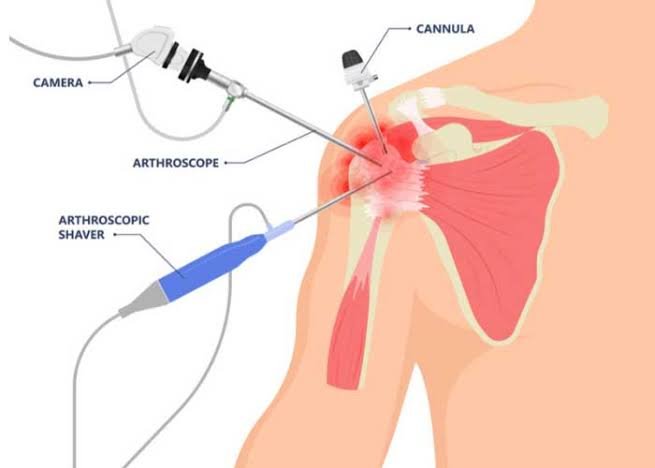
During shoulder arthroscopy, the surgeon inserts a small camera into the shoulder joint through a small opening. Therefore, the camera provides a detailed view of internal structures on a monitor. In addition, the surgeon can use specialized instruments through additional openings to address selected problems. However, the exact procedure depends on the condition being treated. As a result, your surgeon will explain the planned technique and expected recovery before the operation.
Arthroscopic techniques allow surgeons to access selected shoulder structures through small surgical openings. Therefore, this approach can provide targeted treatment for suitable conditions. In addition, the surgeon can directly view the joint during the procedure and address specific problems when appropriate. However, results depend on the diagnosis, procedure, rehabilitation, and individual factors. As a result, your orthopedic specialist should explain the expected benefits and limitations before treatment.
Proper preparation can help you understand the surgery and recovery process. Therefore, your medical team may recommend health checks, diagnostic tests, medication instructions, and specific pre-surgery measures. In addition, your doctor may suggest exercises to maintain appropriate shoulder movement and strength before surgery when suitable. However, preparation requirements differ between patients. As a result, follow your orthopedic team’s instructions carefully before the procedure.
Recovery after shoulder arthroscopy depends on the procedure and the condition treated. Therefore, your doctor may recommend a sling, controlled movement, medication, rest, and physiotherapy during different recovery stages. In addition, rehabilitation can gradually improve shoulder mobility, strength, coordination, and functional ability. However, recovery timelines vary from patient to patient. As a result, follow your surgeon’s instructions and avoid activities that could place excessive stress on the recovering shoulder.
Physiotherapy plays an important role in recovery after many shoulder procedures. Therefore, a physiotherapist can guide you through exercises according to your surgical procedure and recovery stage. In addition, therapy may focus on restoring movement before progressing toward strengthening and functional exercises. However, aggressive exercise too early can interfere with recovery. As a result, gradual rehabilitation under professional guidance can support better shoulder function.
Athletes often want to resume sports quickly after shoulder treatment. Therefore, rehabilitation should gradually restore strength, flexibility, stability, coordination, and sport-specific movement. In addition, your physiotherapist may introduce functional exercises as your shoulder improves. However, pain reduction alone does not confirm readiness for competition. As a result, return to sports should follow professional assessment and clearance.
Every surgical procedure involves potential risks and limitations. Therefore, your orthopedic surgeon should explain possible complications, expected outcomes, alternative treatments, and rehabilitation requirements before shoulder arthroscopy. In addition, individual risks can depend on your health, procedure, medication, and underlying condition. However, no surgical treatment can guarantee the same result for every patient. As a result, an informed consultation can help you understand the procedure before making a treatment decision.
The cost of Shoulder Arthroscopy In Seoni can vary according to several factors. Therefore, the overall expense may depend on the surgical procedure, surgeon’s fees, hospital facilities, diagnostic tests, medicines, and rehabilitation requirements. In addition, associated shoulder injuries may require additional treatment. However, costs can differ between patients and healthcare facilities. As a result, ask your healthcare provider for a detailed estimate based on your diagnosis and planned treatment.
Choosing an orthopedic specialist requires careful consideration of your shoulder condition and treatment requirements. Therefore, look for a doctor with experience in shoulder injuries, arthroscopic procedures, sports-related conditions, and rehabilitation planning. In addition, select a specialist who explains your diagnosis, treatment options, recovery expectations, and potential risks clearly. However, online information cannot replace a personal medical assessment. As a result, discuss your condition directly with a qualified orthopedic professional before choosing surgery.
Local orthopedic care can make consultations, follow-up appointments, and rehabilitation more convenient for patients from Seoni and nearby areas. Therefore, choosing Shoulder Arthroscopy In Seoni can support continuity throughout your treatment journey. In addition, regular follow-ups allow your medical team to monitor movement, strength, pain, and functional recovery. However, convenience should not replace appropriate medical expertise. As a result, consider clinical experience, treatment approach, communication, and rehabilitation support when selecting your orthopedic care.