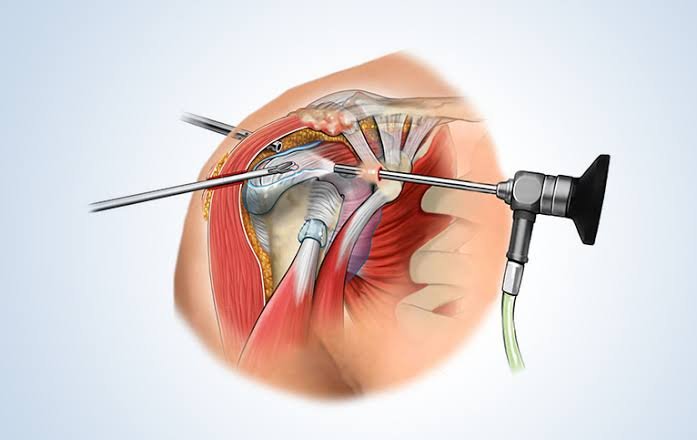
A detailed consultation helps your orthopedic specialist understand your shoulder condition before recommending treatment. Therefore, the evaluation may include a physical examination, movement assessment, medical history review, and imaging such as X-rays or MRI when necessary. In addition, your doctor can discuss your symptoms, diagnosis, treatment choices, and expected recovery. However, you should share information about previous injuries, medications, allergies, and earlier treatments. As a result, your specialist can develop a treatment strategy based on your individual needs.
Diagnostic tests can help your doctor understand the condition of the shoulder joint and surrounding structures. Therefore, your specialist may recommend X-rays, MRI scans, or other investigations depending on your symptoms. In addition, physical examination findings provide important information about shoulder strength, movement, and stability. However, every patient does not require the same tests. As a result, your orthopedic specialist selects investigations according to your specific condition.
Proper preparation can help you approach shoulder surgery with confidence. Therefore, your doctor may provide instructions regarding medicines, food, activity, and other preoperative requirements. In addition, you should arrange appropriate assistance for transportation and early recovery when necessary. However, preparation instructions can vary depending on the procedure and your health. As a result, following your medical team’s instructions carefully can help you prepare appropriately for surgery.
Recovery after Shoulder Arthroscopy In Chhindwara depends on the procedure, severity of the shoulder problem, and individual healing process. Therefore, your doctor may recommend rest, prescribed medication, controlled movement, and physiotherapy during different stages. In addition, rehabilitation can help restore shoulder flexibility, strength, coordination, and functional movement. However, you should avoid heavy lifting or strenuous activity until your doctor allows it. As a result, following your recovery plan can help you progress safely.
Rehabilitation plays an important role after many shoulder arthroscopic procedures. Therefore, a physiotherapist can guide you through exercises based on your surgery and recovery stage. In addition, therapy may focus on improving range of motion, strengthening shoulder muscles, reducing stiffness, and restoring functional movement. However, exercise intensity should match your healing progress and surgeon’s instructions. As a result, consistent physiotherapy can support a controlled return to work, exercise, and sports.
Athletes often need a structured rehabilitation program before returning to sports after shoulder surgery. Therefore, your recovery plan may gradually improve strength, flexibility, coordination, and shoulder stability. In addition, your physiotherapist can introduce sport-specific exercises as your recovery progresses. However, returning too quickly can place unnecessary stress on healing tissues. As a result, wait for your orthopedic specialist to confirm that your shoulder can safely handle sports activity.
Every surgical procedure carries potential risks, and shoulder arthroscopy also requires careful medical planning. Therefore, your surgeon should explain possible complications, expected benefits, and recovery requirements before treatment. In addition, you should discuss existing health conditions, medications, allergies, and previous surgeries with your medical team. However, individual risks vary according to the procedure and your overall health. As a result, an informed consultation can help you understand the treatment and make an appropriate decision.
Sports activities can place considerable stress on the shoulder, particularly during throwing, lifting, swimming, and contact sports. Therefore, athletes may develop rotator cuff injuries, labral tears, instability, or other shoulder problems. In addition, arthroscopic treatment can help selected patients address certain sports-related injuries. However, rehabilitation should match the physical demands of the athlete’s sport. As a result, a gradual return-to-sport program can help rebuild confidence, strength, and shoulder control.
Every surgical procedure can involve potential risks, and arthroscopy also requires careful medical consideration. Therefore, your orthopedic specialist should explain possible complications before treatment. In addition, you should discuss your medical history, existing medications, allergies, and previous surgeries with your doctor. However, individual risks can vary depending on the procedure and your health. As a result, informed discussion with your surgeon can help you understand the expected benefits and possible concerns.