Dr Amit Saoji | Orthopedic Surgeon In Nagpur | Orthopedic Doctor in Nagpur

Shoulder Arthroscopy In Sagar – Dr. Amit Saoji Ortho Sports Care
If you are searching for Shoulder Arthroscopy In Sagar, Dr. Amit Saoji Ortho Sports Care provides orthopaedic, arthroscopy, and sports-injury care with a focus on the shoulder, knee, and hip. His professional profile states that he has completed DNB Orthopaedics and fellowship training in ISAKOS joint arthroscopy and sports medicine, followed by shoulder and knee arthroscopy fellowship training at Fortis Hospital, Chandigarh.
Shoulder arthroscopy is a minimally invasive technique that allows the surgeon to examine and treat selected problems inside the shoulder joint through small incisions. However, surgery is not necessary for every shoulder condition. Therefore, an accurate diagnosis should guide the treatment decision.
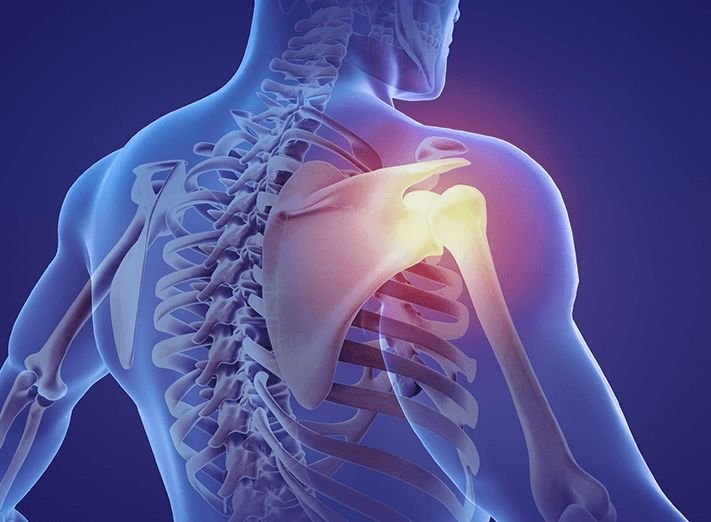
Shoulder Arthroscopy In Sagar By Dr. Amit Saoji
Dr. Amit Saoji Ortho Sports Care focuses on orthopaedic, arthroscopic, sports medicine, and joint-related conditions, with particular focus on the shoulder, knee, and hip. His listed training includes DNB Orthopaedics, an ISAKOS fellowship in joint arthroscopy and sports medicine, and fellowship training in shoulder and knee arthroscopy.
Shoulder arthroscopy can be useful when a patient has a structural problem that continues to cause pain, weakness, instability, or restricted movement despite appropriate non-surgical treatment. The procedure can allow the surgeon to directly visualize structures within the shoulder and treat selected injuries using specialized instruments.
For patients from Sagar and surrounding areas, the first step should be a detailed consultation. The doctor can assess the symptoms, examine shoulder movement and stability, review relevant imaging, and determine whether conservative treatment or surgery is more appropriate.
What Is Shoulder Arthroscopy?
Shoulder arthroscopy is a minimally invasive surgical technique used to inspect, diagnose, and treat selected conditions affecting the shoulder. During the procedure, the surgeon inserts a small camera called an arthroscope through a small incision.
The camera projects images of the inside of the shoulder onto a monitor. This allows the surgeon to examine structures such as the labrum, rotator cuff, cartilage, and other tissues around the joint.
When necessary, the surgeon can introduce specialized instruments through additional small incisions. The procedure can then address the specific structural problem identified during the evaluation.
However, the fact that arthroscopy uses small incisions does not mean every shoulder problem requires surgery. A proper clinical assessment remains essential before recommending the procedure.
Shoulder Conditions That May Require Shoulder Arthroscopy
The shoulder contains several structures that work together to provide a wide range of movement. Consequently, an injury to a ligament, tendon, cartilage structure, or other tissue can cause pain and functional limitations.
Depending on the diagnosis, shoulder arthroscopy may be considered for conditions such as rotator cuff injuries, shoulder instability, labral injuries, selected cartilage problems, and certain sports-related shoulder injuries.
Patients may experience pain while lifting the arm, weakness, clicking, catching, instability, or repeated dislocation. Some people also experience pain at night, particularly when lying on the affected shoulder.
Therefore, persistent symptoms should not automatically be attributed to simple muscle strain. An orthopaedic assessment can help identify the actual source of the problem. Shoulder Arthroscopy In Sagar
Rotator Cuff Injuries And Arthroscopy
The rotator cuff consists of muscles and tendons that help stabilize the shoulder and control arm movement. Repetitive overhead activity, sports, falls, trauma, and age-related changes can contribute to rotator cuff problems.
A rotator cuff injury may cause pain while lifting the arm, weakness, difficulty reaching overhead, and discomfort while sleeping. Some patients also experience reduced shoulder function during sports or work.
Treatment depends on the type and severity of the injury. Physiotherapy and activity modification can help many patients, while selected tears or persistent structural problems may require surgical evaluation.
When arthroscopic repair is appropriate, the surgeon can access the shoulder through small incisions and use specialized instruments to repair the damaged tendon.
Shoulder Dislocation And Instability Treatment
Shoulder instability can develop after a dislocation or repeated episodes in which the shoulder partially or completely slips out of its normal position. Younger and physically active patients may experience recurrent instability after an initial injury.
Patients may feel that the shoulder is loose or may fear certain arm positions because they trigger instability. Athletes involved in throwing, contact, or overhead sports can find these symptoms particularly limiting.
Initially, doctors may recommend rehabilitation to strengthen the muscles around the shoulder and improve joint control. However, recurrent instability or certain structural injuries may require surgical stabilization.
Shoulder arthroscopy can be used for selected instability procedures, including repair of damaged soft tissues around the shoulder joint.
Labral Injuries And Arthroscopic Treatment
The labrum is a ring of cartilage that contributes to shoulder stability. A traumatic injury or repetitive overhead activity can damage this structure.
A labral injury may produce pain, clicking, catching, weakness, or a feeling of instability. However, these symptoms can overlap with other shoulder conditions, so proper diagnosis is important.
If a labral tear requires surgery, arthroscopy can allow the surgeon to inspect the joint and treat the damaged tissue using specialized instruments.
The exact procedure depends on the location and type of labral injury, the patient’s activity level, and the overall stability of the shoulder.
Shoulder Arthroscopy For Sports Injuries
Sports can place significant demands on the shoulder. Cricket, badminton, tennis, swimming, volleyball, throwing sports, gym workouts, and contact activities can involve repeated overhead or high-force movements.
An acute fall or collision can also cause a shoulder injury. In addition, repetitive movements can gradually contribute to tendon, labral, or instability problems.
Not every sports injury requires surgery. In many cases, rehabilitation can restore strength and shoulder control. Nevertheless, persistent pain, weakness, or instability may require further assessment.
For athletes, treatment should consider both current symptoms and future activity goals. A structured rehabilitation programme can help restore strength and movement before the athlete returns to demanding sports.
When Is Shoulder Arthroscopy Recommended?
Shoulder arthroscopy is generally considered when a specific structural problem may benefit from surgical treatment. Before recommending surgery, the doctor evaluates the patient’s symptoms, examination findings, imaging, activity level, and response to previous treatment.
A surgeon may discuss arthroscopy when a patient has persistent symptoms caused by a condition such as a selected rotator cuff tear, recurrent instability, or labral injury.
However, surgery should not automatically follow an abnormal MRI finding. Some structural changes may not cause symptoms, and some patients can improve with appropriate conservative treatment.
Therefore, the decision should remain individualized and based on the patient’s overall clinical picture.
Diagnosis Before Shoulder Arthroscopy
Accurate diagnosis is one of the most important stages of shoulder treatment. During consultation, the doctor may ask when the pain began, whether an injury occurred, which movements cause discomfort, and whether the shoulder has ever dislocated.
The physical examination can assess shoulder movement, muscle strength, tenderness, instability, and functional limitations.
Depending on the suspected condition, the doctor may recommend X-rays, ultrasound, or MRI. These investigations can provide additional information about bones, tendons, labrum, cartilage, and other structures.
Furthermore, the doctor may compare the affected shoulder with the opposite side. This assessment helps determine whether symptoms are caused by a structural problem and whether surgery is likely to provide meaningful benefit.
How Is Shoulder Arthroscopy Performed?
Before surgery, the patient undergoes an appropriate medical and anaesthesia assessment. The surgical team then prepares the shoulder for the planned procedure.
The surgeon makes a small incision and introduces the arthroscope into the shoulder joint. A camera attached to the arthroscope provides a magnified view of the internal structures.
Additional small incisions may allow specialized instruments to enter the joint. Depending on the diagnosis, the surgeon can repair selected damaged structures, remove problematic tissue when appropriate, or stabilize the shoulder.
After the procedure, the team closes the small incisions and begins post-operative care. The exact surgical steps vary according to the condition being treated.
Benefits Of Shoulder Arthroscopy In Sagar
For appropriately selected patients, shoulder arthroscopy offers a minimally invasive method of treating certain structural shoulder problems.
The small access points can reduce the amount of soft-tissue disruption compared with some traditional open approaches. In addition, the arthroscope provides direct visualization of the inside of the joint.
Potential advantages include smaller surgical incisions, direct assessment of the joint, treatment of selected structural injuries, and a pathway toward structured rehabilitation.
However, the outcome depends on the underlying condition, surgical procedure, rehabilitation, and individual healing. Arthroscopy does not guarantee immediate pain relief or a specific recovery period.
Consequently, patients should discuss expected outcomes with their surgeon before proceeding.
Recovery After Shoulder Arthroscopy In Sagar
Recovery depends on the specific procedure performed. A patient undergoing a relatively simple arthroscopic procedure may have different restrictions from someone who undergoes rotator cuff repair or shoulder stabilization.
Early recovery may focus on controlling pain and swelling, protecting the repaired structures, and gradually restoring safe movement. Some procedures require a sling for a period of time, while others may allow earlier movement.
As healing progresses, physiotherapy becomes increasingly important. The rehabilitation programme can gradually restore range of motion, strength, coordination, and functional use of the shoulder.
Therefore, patients should follow their individualized rehabilitation programme rather than comparing their recovery with another person’s experience.
Physiotherapy After Shoulder Arthroscopy
Physiotherapy is an important part of recovery after many shoulder arthroscopic procedures. Surgery addresses the structural problem, while rehabilitation helps the shoulder regain functional capacity.
Early exercises may focus on controlled movement and protection of the repaired tissue. Later, strengthening exercises can target the rotator cuff, shoulder blade muscles, and other supporting structures.
As strength improves, the rehabilitation programme can become more functional. Athletes may eventually perform sport-specific movements before returning to full activity.
Furthermore, gradual progression allows the shoulder to adapt to increasing loads while reducing the risk of placing excessive stress on healing tissues.
Returning To Sports After Shoulder Arthroscopy
Athletes often want to return to sports as soon as possible after shoulder surgery. However, returning before adequate healing and strength can interfere with recovery.
The rehabilitation team may assess shoulder movement, strength, stability, coordination, and sport-specific performance before recommending a return to demanding activities.
For overhead athletes, throwing and repetitive arm movements can place substantial stress on the shoulder. Therefore, return-to-sport programmes should progress gradually and according to the specific sport.
The timeline varies considerably depending on whether the patient underwent rotator cuff repair, instability surgery, labral treatment, or another procedure.
Why Choose Dr. Amit Saoji For Shoulder Arthroscopy?
Dr. Amit Saoji’s professional profile identifies him as an orthopaedic, arthroscopy, sports injury, and joint replacement surgeon with a focus on the shoulder, knee, and hip. His listed qualifications include DNB Orthopaedics and fellowship training in arthroscopy and sports medicine, along with specific shoulder and knee arthroscopy training.
His official clinic information also lists Shoulder Arthroscopy among the treatments provided by Dr. Amit Saoji Ortho Sports Care.
For patients considering shoulder surgery, experience with arthroscopic and sports-related conditions can be relevant because different shoulder injuries require different treatment strategies. Therefore, the consultation should focus on the patient’s diagnosis, treatment alternatives, surgical approach, and rehabilitation expectations.
Shoulder Arthroscopy For Active Adults
Shoulder problems can become particularly frustrating for active adults because pain may prevent exercise, sports, gym training, swimming, or physically demanding work.
Rather than continuing to push through persistent pain, patients should identify the underlying problem. A proper assessment can determine whether the symptoms arise from a rotator cuff problem, instability, labral injury, inflammation, or another condition.
If conservative treatment does not provide adequate improvement and a structural problem requires surgical treatment, arthroscopy may provide an appropriate minimally invasive option.
After surgery, however, rehabilitation remains essential. The ultimate goal is not simply to complete the procedure but to gradually restore useful shoulder movement, strength, stability, and function.
Why Timely Shoulder Treatment Matters
Many people delay shoulder treatment because they expect the pain to disappear with rest. While minor strains can improve, persistent pain or repeated instability may indicate a more significant problem.
Ignoring recurrent shoulder dislocation, weakness, or pain can make it increasingly difficult to participate in normal activities and sports. Furthermore, continuing activities that repeatedly aggravate an injured shoulder may interfere with recovery.
Therefore, persistent symptoms deserve an orthopaedic evaluation. Early assessment can help identify the cause and allow the patient to understand both non-surgical and surgical treatment options.
Frequently Asked Questions
Shoulder arthroscopy is a minimally invasive surgical procedure in which an orthopaedic surgeon uses a small camera and specialized instruments to examine and treat selected problems inside the shoulder.
Patients with selected structural problems such as certain rotator cuff tears, recurrent shoulder instability, labral injuries, or other conditions may benefit from arthroscopy when appropriate non-surgical treatment does not provide sufficient improvement.
No. Some shoulder conditions respond well to physiotherapy, medication, activity modification, or other conservative treatments. Surgery should be considered only when the diagnosis and clinical situation support it.
Selected rotator cuff tears can be repaired using arthroscopic techniques. The decision depends on the tear, symptoms, functional limitations, and overall condition of the shoulder.
Recovery varies according to the procedure. A simple arthroscopic procedure may recover differently from rotator cuff repair or shoulder stabilization. Your surgeon and physiotherapist can provide a more individualized recovery plan.
Physiotherapy is an important part of recovery after many shoulder arthroscopic procedures. It helps restore movement, strength, stability, and functional control.
Many athletes can return to sports after appropriate rehabilitation. However, they should regain adequate strength, movement, stability, and sport-specific function before returning to competitive activity.
Dr. Amit Saoji’s listed clinic is Dr. Amit Saoji Ortho Sports Care in Ramdaspeth, Nagpur. His official clinic profile lists shoulder arthroscopy among his treatments and provides appointment contact details.
Consult Dr. Amit Saoji
Persistent shoulder pain, recurrent dislocation, weakness, or difficulty lifting the arm can affect both everyday activities and athletic performance. Fortunately, appropriate diagnosis can help identify the cause and determine whether conservative treatment or surgery is suitable.
If you are searching for Shoulder Arthroscopy In Sagar, Shoulder Arthroscopy Surgeon In Sagar, Shoulder Surgeon In Sagar, or Shoulder Injury Treatment In Sagar, consider a detailed orthopaedic evaluation before choosing treatment.
Dr. Amit Saoji has a clinical focus on shoulder, knee, and hip conditions and lists shoulder arthroscopy among his treatment services. His listed clinic location is in Ramdaspeth, Nagpur, so patients from Sagar should confirm current consultation availability and location before travelling.
With an accurate diagnosis, appropriate treatment planning, and structured rehabilitation, patients can work toward improving shoulder function and returning to their normal activities.
However, every treatment decision requires an individual medical assessment. Book An Appointment